This article was originally published on Fool.com. All figures quoted in US dollars unless otherwise stated.
This article was originally published on Fool.com. All figures quoted in US dollars unless otherwise stated.
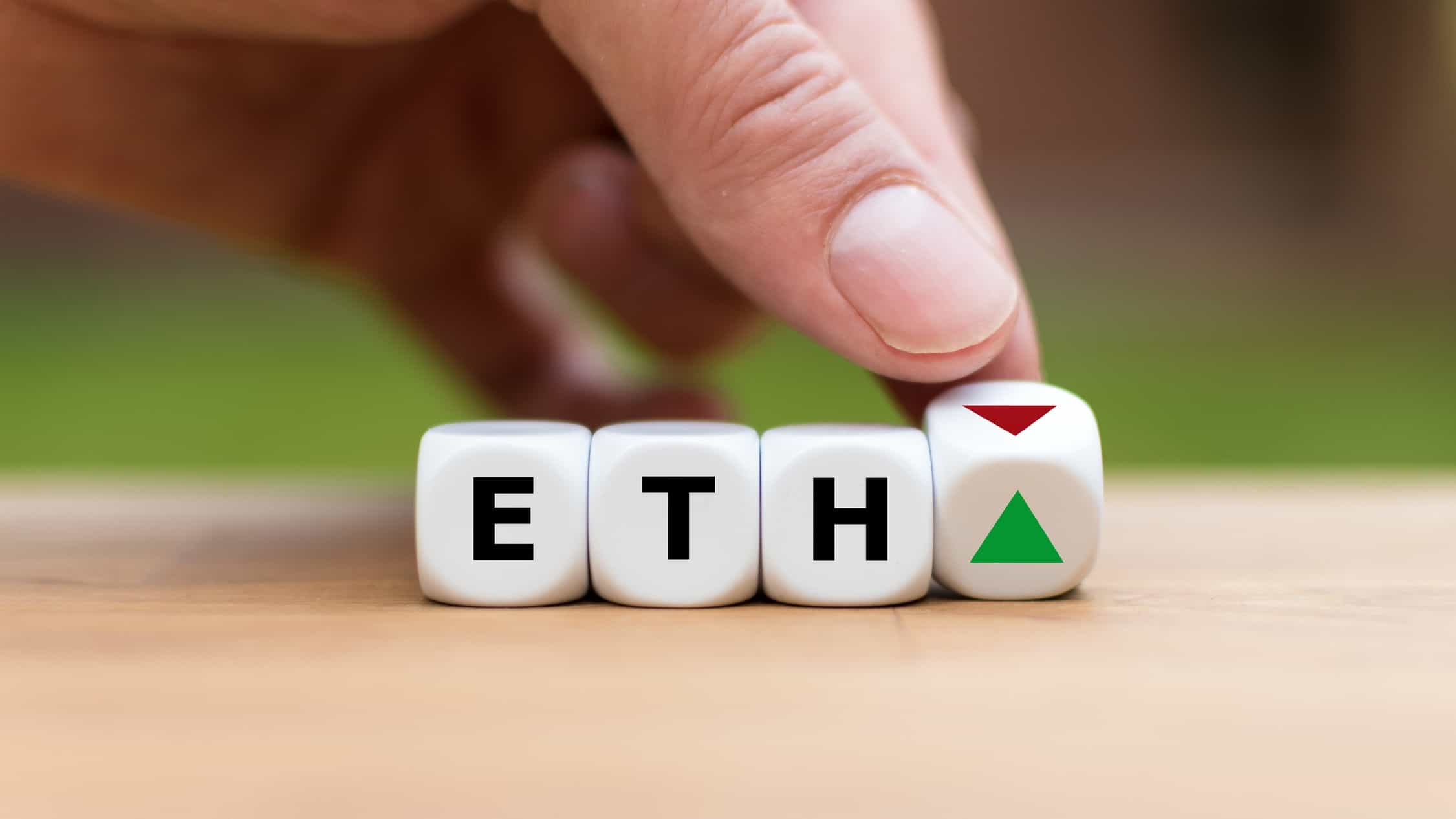
The world’s second biggest cryptocurrency just got a little bit better — and greener. Ethereum (CRYPTO: ETH) completed what’s known as “the merge” this past week. The much-waited-for event changed the way the blockchain verifies transactions — and dramatically cut Ethereum’s energy use.
Ethereum had postponed the merge several times before getting to this point. Today, investors, users, and developers all can breathe a sigh of relief. The merge happened without any glitches or mishaps. So now, the big questions are: What does the merge mean for investors and users? And what’s next?
Let’s find out.
A driving force in the market
First, a bit of background on Ethereum and the merge itself. The Ethereum blockchain has proved that it could be one of the driving forces in the crypto market. It hosts more than 2,900 decentralized applications, according to the website State of the dApps. And when it comes to non-fungible tokens, Ethereum is the biggest blockchain by sales volume, CryptoSlam data shows.
A few big problems have plagued Ethereum, though: energy use, lack of speed, and high fees. That’s why software engineers have been working on an enormous multistage upgrade. The merge was the second step. It marked the official transitioning of Ethereum to a proof-of-stake validation method from proof of work.
Proof of work involves solving complex computational puzzles to verify a transaction. As a result, Ethereum used about the same amount of energy annually as the Netherlands. This switch to proof of stake means Ethereum’s energy use dropped by more than 99%.
That’s a big plus for the planet. And this greener profile makes Ethereum more attractive to a broader range of investors and users. Proof of stake offers validation power to high stakeholders — eliminating the need for major computer power.
So the merge solved one of Ethereum’s big problems. Otherwise, the move doesn’t change the way individuals use Ethereum.
The next step
As for the problems of speed and fees, Ethereum is in the process of tackling them in the third part of this general update. This step is called “sharding,” and Ethereum aims to launch it next year. Sharding splits up the database horizontally to relieve congestion. As a result, transactions will pick up speed — and get cheaper.
Now, let’s look at the upgrades from a price perspective. The merge eventually may result in a decrease in Ethereum coin supply. That’s because the blockchain no longer will be paying miners ETH for adding blocks of data to the blockchain. This decline in supply supports the idea of a higher price.
Ethereum’s price actually dropped following the merge. But it’s important to keep in mind the price rose about 20% over the past three months. Today, some investors may be locking in gains.
I don’t see the merge or sharding as events that will send Ethereum soaring overnight. Instead, they should progressively drive gains in value over time. The merge will help as it starts pushing coin supply down and leads to less energy use. And sharding, as it draws more users to Ethereum — they’ll appreciate fast, inexpensive transactions.
What does all of this mean for you as an investor?
Should you buy Ethereum now or wait? That’s always the big question. Cryptocurrency is a risky area because it’s rather new. We don’t know what the landscape will look like several years down the road. The important thing is to never invest more than what you can afford to lose.
With that in mind, Ethereum looks promising. This crypto is a leader now and is on the road to maintaining that leadership. If cryptocurrency does reshape the way business is done, Ethereum has what it takes to be one of the top players. And that’s why now is a great time to get in on this exciting cryptocurrency.
This article was originally published on Fool.com. All figures quoted in US dollars unless otherwise stated.
The post Ethereum’s merge is done: now what? appeared first on The Motley Fool Australia.
Should you invest $1,000 in Ethereum right now?
Before you consider Ethereum, you’ll want to hear this. Motley Fool Investing expert Scott Phillips just revealed what he believes are the 5 best stocks for investors to buy right now… and Ethereum wasn’t one of them. The online investing service heâs run for over a decade, Motley Fool Share Advisor, has provided thousands of paying members with stock picks that have doubled, tripled or even more.* And right now, Scott thinks there are 5 stocks that are better buys.
See The 5 Stocks *Returns as of September 1 2022
More reading
- 3 reasons the Ethereum price could gain in the post-Merge months
- Ethereum’s merge spotlights a key strength, says Coinbase exec
- 5 reasons I wouldn’t touch Shiba Inu with a 10-foot pole
- Why Ethereum is diving today
- Will the Ethereum Merge leave the crypto at greater risk of hacking?
Adria Cimino has positions in Ethereum. The Motley Fool Australia’s parent company Motley Fool Holdings Inc. has positions in and has recommended Ethereum. The Motley Fool Australia has no position in any of the stocks mentioned. The Motley Fool has a disclosure policy. This article contains general investment advice only (under AFSL 400691). Authorised by Scott Phillips.
This article was originally published on Fool.com. All figures quoted in US dollars unless otherwise stated.
from The Motley Fool Australia https://ift.tt/OmscrLw
Leave a Reply