Tag: Motley Fool

  • How might ‘green premiums’ impact the value of ASX mining shares?

    A wide-smiling businessman in suit and tie rips open his shirt to reveal a green t-shirt underneathA wide-smiling businessman in suit and tie rips open his shirt to reveal a green t-shirt underneath

    The market might be willing to pay a premium for ASX mining shares that leave no carbon footprint in their operations.

    While experts are divided on this topic, the world’s most influential mining investor is supporting the argument, as reported in the Australian Financial Review.

    The fund manager from BlackRock, Inc. (NYSE: BLK), Evy Hambro, believes commodities will be increasingly priced according to how they are produced.

    Carbon conscious ASX mining shares could trade at a premium over time

    He manages more than $20 billion in his World Mining, World Gold, and Circular Economy Funds. The “green premiums” will allow carbon-conscious ASX mining shares to increase value without having to increase production.

    Hambro was quoted in the AFR saying:

    There is a decision that companies are going to have to take between investing for growth in volumes and investing for decarbonisation, and our view is that over time we will see commodities increasingly being priced on how they are produced rather than necessarily the commodity itself.

    If you can produce a commodity with lower emissions and it meets all the related ESG requirements you might end up with premium pricing for that commodity, or those commodities become the market price and ones that have high carbon emissions trade at discounts.

    ASX mining shares embracing net-zero targets

    His comments follow statements from several ASX miners about this issue. The previous chief executive of Rio Tinto Limited (ASX: RIO) asked investors if they are willing to suffer lower returns to allow the iron ore giant to increase investment in climate action.

    Rio Tinto is committing to US$7.5 billion in carbon reduction projects over eight years. Most of this money won’t produce a financial return if measured against traditional valuation yardsticks. But some projects could pay for themselves if you factored in the voluntary US$75 a tonne carbon price.

    Green premiums vs. brown discounts

    Meanwhile, the chief executive of South32 Ltd (ASX: S32), Graham Kerr, said he sees early signs that commodities are being priced against their environmental impact, according to the AFR.

    This could be both good and bad for the South32 share price. It’s good as the diversified miner is aiming to nearly double its “green aluminium” production in Brazil and Mozambique. This refers to aluminium made with renewable power.

    Kerr said:

    We have seen small [price premium] increments, you are seeing more of a buyer preference. We do believe over time that green premium does come into play.

    In aluminium, you are probably looking in the longer term, there will be a green premium somewhere between $US300 and $US350 per tonne.

    However, he also noted that buyers are demanding a discount for South32’s nickel from Cerro Matoso. The nickel from the mine is less suitable for battery production.

    Perhaps the most bullish ASX miner when it comes to “green premiums” is Bellevue Gold Ltd (ASX: BGL). The small-cap miner told investors its gold could fetch higher prices as it planned to make its Western Australia mine net-zero by January 2026.

    The post How might ‘green premiums’ impact the value of ASX mining shares? appeared first on The Motley Fool Australia.

    Wondering where you should invest $1,000 right now?

    When investing expert Scott Phillips has a stock tip, it can pay to listen. After all, the flagship Motley Fool Share Advisor newsletter he has run for over ten years has provided thousands of paying members with stock picks that have doubled, tripled or even more.*

    Scott just revealed what he believes could be the five best ASX stocks for investors to buy right now. These stocks are trading at near dirt-cheap prices and Scott thinks they could be great buys right now.

    *Returns as of January 12th 2022

    More reading

    Motley Fool contributor Brendon Lau has positions in Rio Tinto Ltd. and South32 Ltd. The Motley Fool Australia’s parent company Motley Fool Holdings Inc. has no position in any of the stocks mentioned. The Motley Fool Australia has no position in any of the stocks mentioned. The Motley Fool has a disclosure policy. This article contains general investment advice only (under AFSL 400691). Authorised by Scott Phillips.

    from The Motley Fool Australia https://ift.tt/NPlnp7Z

  • The Dicker Data dividend is being paid today. Here’s what you need to know

    A male investor sits at his desk looking at his laptop screen holding his hand to his chin pondering whether to buy Macquarie sharesA male investor sits at his desk looking at his laptop screen holding his hand to his chin pondering whether to buy Macquarie shares

    Dicker Data Ltd (ASX: DDR) shareholders will be a little richer today as the company pays out its latest dividend.

    The IT distributor is rewarding eligible investors with a fully franked interim dividend of 13 cents per share.

    At the time of writing, the Dicker Data share price is up 0.48% to $12.52.

    For context, the S&P/ASX 200 Index (ASX: XJO) is also heading north to edge 0.2% higher to 7,469.2 points.

    Let’s take a look at all the details regarding the Dicker Data dividend.

    Dicker Data pays out interim dividend

    Dicker Data delivered a solid performance for its first quarter trading update for the 2022 financial year.

    In summary, Dicker Data reported strong numbers across the board, delivering a 50.5% increase in revenue to $673.6 million.

    On the bottom line, net profit before tax lifted 22.7% to $23.8 million.

    Underpinning the robust result was a combination of organic growth and a full quarter contribution from the Exeed acquisition. The latter had not been a part of the business in the comparative period.

    Nonetheless, the biggest win for shareholders came from the board’s decision to increase the interim dividend by 44% over Q1 FY21. This reflects the highest quarterly dividend in the company’s history.

    When calculating against the current share price, Dicker Data is trailing on a forecast dividend yield of 3.83%.

    Dicker Data share price snapshot

    Over the past 12 months, the Dicker Data share price has risen 16% on the back of strong investor sentiment.

    However, numerous market shocks in 2022 following the Russian war in Ukraine and steep inflationary movements impacted the company’s shares.

    At current, Dicker Data shares are down 16% for the first six months of the year.

    The company has a price-to-earnings (P/E) ratio of 28.17 and commands a market capitalisation of roughly $2.16 billion.

    The post The Dicker Data dividend is being paid today. Here’s what you need to know appeared first on The Motley Fool Australia.

    Should you invest $1,000 in Dicker Data right now?

    Before you consider Dicker Data, you’ll want to hear this.

    Motley Fool Investing expert Scott Phillips just revealed what he believes are the 5 best stocks for investors to buy right now… and Dicker Data wasn’t one of them.

    The online investing service he’s run for over a decade, Motley Fool Share Advisor, has provided thousands of paying members with stock picks that have doubled, tripled or even more.* And right now, Scott thinks there are 5 stocks that are better buys.

    *Returns as of January 13th 2022

    More reading

    Motley Fool contributor Aaron Teboneras has positions in Dicker Data Limited. The Motley Fool Australia’s parent company Motley Fool Holdings Inc. has positions in and has recommended Dicker Data Limited. The Motley Fool Australia has positions in and has recommended Dicker Data Limited. The Motley Fool has a disclosure policy. This article contains general investment advice only (under AFSL 400691). Authorised by Scott Phillips.

    from The Motley Fool Australia https://ift.tt/bfESXNs

  • The AVZ share price suspension will continue until when?

    questioning whether asx share price is a buy represented by man in red shirt scratching his head

    questioning whether asx share price is a buy represented by man in red shirt scratching his head

    The AVZ Minerals Ltd (ASX: AVZ) share price was scheduled to return to trade on Wednesday morning.

    However, as was widely expected, the lithium miner has failed to emerge from its suspension.

    What’s happen with the AVZ share price?

    Last month, the AVZ share price was placed in a trading halt and subsequent suspension at the company’s request.

    This is because the company been hit with arbitration proceedings by Jin Cheng Mining Company in the International Chamber of Commerce in Paris.

    Jin Cheng is seeking to be recognised as a shareholder of Dathcom Mining, which is the owner of the Manono Lithium and Tin Project in the Democratic Republic of the Congo. The worst-case scenario could see AVZ have its shareholding in the project reduced to just 36%.

    This would have huge consequences for the valuation of the company and therefore the AVZ share price, which explains why its shares have been suspended.

    What’s the latest?

    This morning, AVZ requested that its shares remain suspended for the entire month of June while the matter is (hopefully) resolved.

    In addition, the company revealed that completion of its deal to sell a 24% stake in the project to Suzhou CATH Energy Technologies has been delayed until the end of July.

    The release explains:

    The Company confirms that the parties to the TIA have agreed to amend the end date to 31 July 2022 to provide for completion of closure formalities. The parties are committed to close the TIA as early as practically possible to progress the development of the Manono Lithium and Tin Project.

    All in all, these are difficult times for the company and its shareholders. But, unfortunately, it once again demonstrates why investing in companies operating in countries such as the Democratic Republic of the Congo carry very high risks.

    For reference, Transparency International ranks the country as one of the most corrupt in the world, just a touch better than Afghanistan and North Korea. Would you invest your hard-earned money in these countries? Probably not.

    The post The AVZ share price suspension will continue until when? appeared first on The Motley Fool Australia.

    Should you invest $1,000 in AVZ right now?

    Before you consider AVZ, you’ll want to hear this.

    Motley Fool Investing expert Scott Phillips just revealed what he believes are the 5 best stocks for investors to buy right now… and AVZ wasn’t one of them.

    The online investing service he’s run for over a decade, Motley Fool Share Advisor, has provided thousands of paying members with stock picks that have doubled, tripled or even more.* And right now, Scott thinks there are 5 stocks that are better buys.

    *Returns as of January 13th 2022

    More reading

    Motley Fool contributor James Mickleboro has no position in any of the stocks mentioned. The Motley Fool Australia’s parent company Motley Fool Holdings Inc. has no position in any of the stocks mentioned. The Motley Fool Australia has no position in any of the stocks mentioned. The Motley Fool has a disclosure policy. This article contains general investment advice only (under AFSL 400691). Authorised by Scott Phillips.

    from The Motley Fool Australia https://ift.tt/5GmhbdJ

  • Are you ready for GFC Mark II?

    a man weraing a suit sits nervously at his laptop computer biting into his clenched hand with nerves, and perhaps fear.a man weraing a suit sits nervously at his laptop computer biting into his clenched hand with nerves, and perhaps fear.

    You know, by the tone of my regular writing, my choice of subject – and because I tell you regularly – that I’m an optimist.

    It’s a view that is probably part genetic and part nurture, but it’s also formed and confirmed by the arc of human history.

    Sure, we have problems. And yes, I rail against some of them, too.

    But overall? We have created, and continue to create, a better world.

    The glaring omissions and occasional setbacks are notable precisely because they’re the exceptions that prove the rule.

    And, (much) more often than not, you’ll read and see me extolling the virtues of the optimism and progress that has immeasurably improved human existence – and it’s those same forces that drive democratic capitalism to higher heights, too.

    But…

    But there are those exceptions – or, at least, pockets of concern – from time to time.

    Even though, as Vanguard tells us, $10,000 invested in the ASX in 1991 would have been over $160,000 thirty years later, there were periods of loss — some big and drawn out, others sharp and sudden.

    Even though the economy grows, over time, there are periods of recession.

    They’re not welcome, but they’re the things we have to live through, to get the bickies at the end.

    Today, I want to (uncharacteristically) focus on one particular economic risk – something I want every reader to pay close attention to.

    It’s housing.

    Now, I’m no housing permabear. I’m generally pretty agnostic.

    I have said I expect house prices to fall as rates rise – that’s Economics 101.

    They may not, of course, or the falls might be pretty muted. But the maths that saw prices soar in response to falling rates should, all else being equal (and it never is, of course), see rising rates put downward pressure on prices.

    But it’s not house prices I’m worried about (this time, at least).

    Banks aren’t going to call in a loan if prices fall – doing so would set off a line of dominos as forced sellers pushed prices down, which would create more forced sellers and on and on it would go.

    That would be a spectacular own-goal for the banks… which is precisely why they won’t do it.

    No, I think the bigger risk for homeowners — and our economy — is in something the banking regulator, APRA, said yesterday.

    To be 100% clear, they didn’t utter the three letters, GFC, but they invited those of us who were paying attention to make the comparison.

    And that’s a worry.

    Let me explain.

    When Australians think of the GFC, we tend to think of a recession ‘over there’ — we famously escaped most of the GFC pain (and a recession) thanks to prudent bank lending, a concurrent resources boom, and some well-timed and targeted government spending.

    But in the US?

    If you stretch your memory a little, you’ll recall that the Yanks had a housing crisis, with people forced out of their homes thanks to a combination of lax lending standards, a subsequent freeze on new credit and – here’s the one I want you to pay attention to – loan repayments that suddenly jumped higher.

    Many of those who got themselves into trouble had taken out ‘adjustable rate mortgages’. They got tiny ‘honeymoon’ rates from their banks for a year or two, which then ‘reset’ to higher rates that were simply unaffordable for many.

    The good news?

    On the available evidence, our banks seem to have been pretty prudent. And most Australians are ahead on their mortgages. And thankfully, ‘honeymoon rates’ are rare in Australia.

    The bad news?

    They’re not called ‘honeymoon rates’, but Australians might be in for similar shock in a couple of years.

    And it’s not just me saying it.

    Here’s what Australian Prudential Regulation Authority chairman Wayne Byres said at an AFR Banking Conference yesterday:

    “Of particular note will be residential mortgage borrowers who took advantage of very low fixed rates over the past couple of years, and may face a sizeable ‘repayment shock’ (possibly compounded by negative equity) when they need to refinance in the next year or two.”

    Does that sound familiar, based on what I just wrote?

    It should.

    APRA won’t say ‘GFC’.

    But it just did. Just not in as many – well more, actually – letters.

    How could it happen?

    Well, as APRA just said, we have our own potential ‘reset’ for mortgages. Not from ‘honeymoon rates’, but from ultra-low fixed rates. At some future point, those people who fixed a mortgage at, say, 2% will roll over to a variable rate that might be 4% or more.

    By then, those people will have become used to paying 2%. Their lifestyles will have expanded to take up the available resources.

    When it ‘resets’ to 4% or 4.5%? When they have kids in private schools, a new car or two, and a lifestyle that they can’t afford?

    That’s when the trouble starts.

    And that’s what APRA is worried about, and why I’m writing this today.

    Now, to be very, very clear, I’m not making a prediction.

    If we do have an Australian version of the GFC, I won’t claim to have predicted it.

    But I will say that I warned you it was possible.

    By then, of course, it will be too late.

    Some people in my position want to make grandiose predictions so they can crow about being right. It’s good for their egos.

    Not me. I hope I’m wrong!

    I desperately hope the warning will be unnecessary. I hope we don’t have our own version of the GFC.

    If we do? It’s going to be painful – for individuals and for the economy.

    Especially on top of rising inflation, which is already eating away at financial buffers for many people.

    But… there’s good news.

    The GFC happened precisely because people weren’t prepared for it. Generals always fight the last war, because it’s what they know.

    This time around, we know what can happen.

    We’ve seen the GFC. We – collectively and individually – have the tools and the willingness to do what we can to avoid it.

    The regulators are already looking out for it. The policymakers at the RBA and Treasury (and in Parliament) will be aware of it.

    And here’s where you come in – you have time to prepare for it.

    If you’re on a fixed rate, congratulations – you’re going to save a small fortune in the next few years.

    But then, one day, you’ll get a shock. Maybe a big one.

    One month, you’re paying perhaps 1.99%. The next? Who knows, but maybe 4% or 4.5%.

    You need to do the maths. Now.

    You need to adjust your lifestyle. Now.

    You need to get ready. Now.

    You can do this.

    But you can’t stick your head in the sand. That’s how people get themselves into trouble.

    Again, maybe it doesn’t happen.

    Maybe rates peak at a lower level. Or go up, then start falling again before your fixed rate expires.

    Maybe.

    Don’t stake your financial future on it, though.

    Be prepared.

    Fool on!

    The post Are you ready for GFC Mark II? appeared first on The Motley Fool Australia.

    Wondering where you should invest $1,000 right now?

    When investing expert Scott Phillips has a stock tip, it can pay to listen. After all, the flagship Motley Fool Share Advisor newsletter he has run for over ten years has provided thousands of paying members with stock picks that have doubled, tripled or even more.*

    Scott just revealed what he believes could be the five best ASX stocks for investors to buy right now. These stocks are trading at near dirt-cheap prices and Scott thinks they could be great buys right now.

    *Returns as of January 12th 2022

    More reading

    Motley Fool contributor Scott Phillips has no position in any of the stocks mentioned. The Motley Fool Australia’s parent company Motley Fool Holdings Inc. has no position in any of the stocks mentioned. The Motley Fool Australia has no position in any of the stocks mentioned. The Motley Fool has a disclosure policy. This article contains general investment advice only (under AFSL 400691). Authorised by Scott Phillips.

    from The Motley Fool Australia https://ift.tt/SQwJz8L

  • Why did the Santos share price beat the ASX 200 in May?

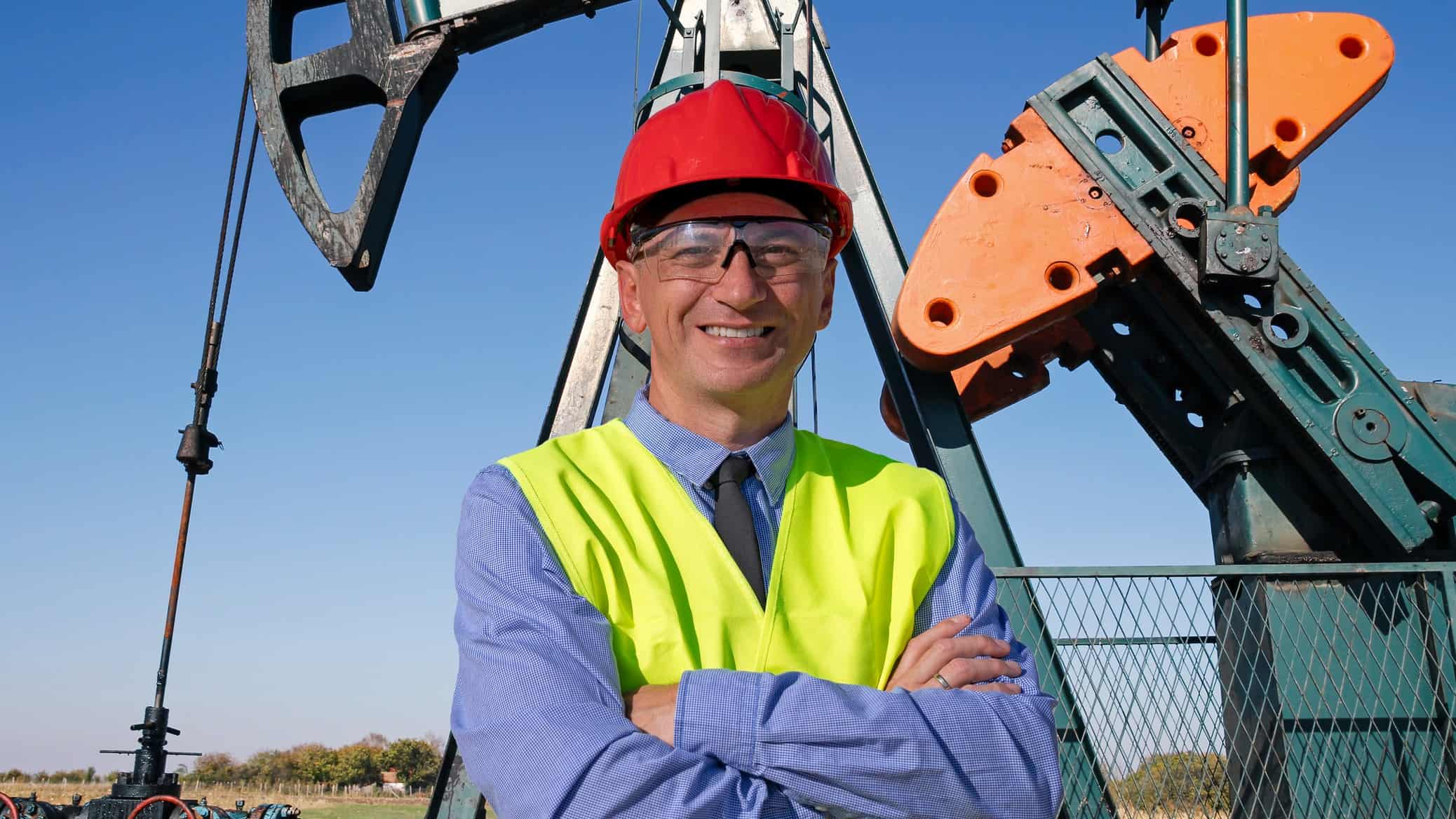
    An oil refinery worker stands in front of an oil rig with his arms crossed and a smile on his face as the Woodside share price climbs today

    An oil refinery worker stands in front of an oil rig with his arms crossed and a smile on his face as the Woodside share price climbs today

    The Santos Ltd (ASX: STO) share price gained 2.5% over the month of May.

    Santos shares closed on 29 April trading for $8.00 and ended yesterday trading for $8.20.

    As for the S&P/ASX 200 Index (ASX: XJO), it went the other direction, falling 3.0% over the course of May.

    So, why did the Santos share price beat the benchmark?

    Rising oil prices and new agreements

    If you filled up your car over the last month, you’ll be all too aware of the continuing surge in energy costs.

    While those costs are hitting consumers’ budgets, they’re also providing some welcome tailwinds to the Santos share price.

    We’ll take international benchmark Brent crude oil as an example.

    Brent kicked off May trading for US$109 per barrel. By the end of the month that same barrel was trading for US$123. An increase of almost 13%.

    Santos costs for pumping oil and gas out of the ground are essentially fixed. Meaning any increase in the price for their commodities goes straight to the bottom line.

    Should energy costs remain elevated, it also means Santos’ shareholders could look forward to some healthy dividend payouts in the financial year ahead. The ASX 200 energy giant currently pays a 2.4% dividend yield.

    Atop the premium prices its receiving for oil and gas, the Santos share price also looks to have gotten a boost from several new deals announced in May.

    First, Santos reported it will farm-in and take operatorship of Cooper Basin oil and gas permit Authority to Prospect (ATP) 2023 from its wholly owned subsidiary Leigh Creek Oil and Gas Pty Ltd.

    And on 17 May, Santos reported its joint venture partner State Gas Ltd (ASX: GAS) was appointed Preferred Tenderer of two gas exploration sites in Queensland. The sites border on projects already held by Santos.

    Santos share price snapshot

    Atop beating out the ASX 200 in May, the Santos share price has trounced the benchmark returns in 2022.

    Year-to-date Santos shares have gained 24.1% compared to a 4.7% loss posted by the ASX 200.

    The post Why did the Santos share price beat the ASX 200 in May? appeared first on The Motley Fool Australia.

    Should you invest $1,000 in Santos right now?

    Before you consider Santos, you’ll want to hear this.

    Motley Fool Investing expert Scott Phillips just revealed what he believes are the 5 best stocks for investors to buy right now… and Santos wasn’t one of them.

    The online investing service he’s run for over a decade, Motley Fool Share Advisor, has provided thousands of paying members with stock picks that have doubled, tripled or even more.* And right now, Scott thinks there are 5 stocks that are better buys.

    *Returns as of January 13th 2022

    More reading

    The Motley Fool Australia’s parent company Motley Fool Holdings Inc. has no position in any of the stocks mentioned. The Motley Fool Australia has no position in any of the stocks mentioned. The Motley Fool has a disclosure policy. This article contains general investment advice only (under AFSL 400691). Authorised by Scott Phillips.

    from The Motley Fool Australia https://ift.tt/M14aB6Z

  • The BHP special dividend is being paid today. Here’s the lowdown

    A man wearing glasses and a white t-shirt pumps his fists in the air looking excited and happy about the rising OBX share price

    A man wearing glasses and a white t-shirt pumps his fists in the air looking excited and happy about the rising OBX share price

    Today is payday for shareholders of BHP Group Ltd (ASX: BHP), with the mining giant paying its latest dividend this morning.

    However, this dividend isn’t the type that shareholders would normally receive.

    What is the BHP dividend?

    Rather than paying shareholders cash, the latest BHP dividend is an in-specie dividend. An in-specie dividend is a dividend that is paid in assets.

    On this occasion, the in-specie dividend sees BHP distribute a total of 914,768,948 new shares in Woodside Energy Group Ltd (ASX: WDS) to its shareholders. This follows the demerger of the Big Australian’s petroleum assets into Woodside, creating a top 10 global energy producer.

    Today, eligible BHP shareholders will receive one new Woodside share for every 5.534 BHP shares they own. This will be rounded down to the nearest whole share.

    This means that if you own 100 BHP shares, for example, and are eligible to receive the in-specie dividend, you will be receiving 18 new Woodside shares. These will then be tradable tomorrow from the market open.

    Should you hold onto your new Woodside shares?

    BHP shareholders will no doubt be wondering whether their new Woodside shares are worth holding onto.

    Analysts at Morgans certainly believe they are. This week the broker put an add rating and $32.90 price target on Woodside’s shares. Based on the latest Woodside share price of $29.38, this implies potential upside of 12% for investors over the next 12 months.

    Morgans said: “We view WDS as ideally positioned to generate high quality earnings, maintaining its leverage to the continuing upcycle in oil & gas, tackle its diversified growth profile to unlock more value upside and potentially deliver a shareholder return surprise at its next result.”

    The post The BHP special dividend is being paid today. Here’s the lowdown appeared first on The Motley Fool Australia.

    Should you invest $1,000 in BHP right now?

    Before you consider BHP, you’ll want to hear this.

    Motley Fool Investing expert Scott Phillips just revealed what he believes are the 5 best stocks for investors to buy right now… and BHP wasn’t one of them.

    The online investing service he’s run for over a decade, Motley Fool Share Advisor, has provided thousands of paying members with stock picks that have doubled, tripled or even more.* And right now, Scott thinks there are 5 stocks that are better buys.

    *Returns as of January 13th 2022

    More reading

    Motley Fool contributor James Mickleboro has no position in any of the stocks mentioned. The Motley Fool Australia’s parent company Motley Fool Holdings Inc. has no position in any of the stocks mentioned. The Motley Fool Australia has no position in any of the stocks mentioned. The Motley Fool has a disclosure policy. This article contains general investment advice only (under AFSL 400691). Authorised by Scott Phillips.

    from The Motley Fool Australia https://ift.tt/XFZBrPm

  • I’d buy these two ASX dividend shares in June 2022

    A woman puts money in her piggy bank all rugged up for the winter cold.A woman puts money in her piggy bank all rugged up for the winter cold.

    In this writer’s opinion, ASX dividend shares can be good investment picks amid the current ASX share market volatility.

    Businesses that are paying investors cash every six (or three) months can provide ‘real’ returns even as share prices go down (and up).

    While dividend shares may not have as much growth potential as ASX growth shares, I think they have the potential to be more consistent. Is consistency important? I believe it can be useful when it comes to the overall unpredictability of the ASX share market.

    Which ASX dividend shares are worth looking at? I think yes, if they are shares that have demonstrated strength and have attractive futures.

    Brickworks Limited (ASX: BKW)

    Brickworks is one of my favourite ASX dividend shares for a few reasons.

    I like its dividend record. The business has maintained or grown its dividend every year for over 40 years. It was one of the few S&P/ASX 200 Index (ASX: XJO) shares to increase its dividend during the COVID-hit year of 2020.

    Another thing I like about Brickworks is that it has a diverse array of assets.

    The long-term investments division has created capital growth and growing dividends for Brickworks.

    I really like the prospects of the industrial property segment where it has a joint venture partnership with Goodman Group (ASX: GMG). The partnership builds large industrial properties on land that Brickworks no longer needs. There is strong demand by businesses for industrial properties to improve logistics and e-commerce capabilities. It has enough land for a multi-year pipeline of projects.

    The United States building products segment has a lot of potential considering the size of the market due to the considerable population.

    I also like how the Australian building products division is trying to unlock value by selling its operating buildings and land into a new joint venture trust with Goodman. This will enable Brickworks to unlock the value of that real estate.

    At the current Brickworks share price it has a trailing grossed-up dividend yield of 4.25%.

    Centuria Industrial REIT (ASX: CIP)

    This ASX dividend share is a real estate investment trust (REIT). It’s one of the largest owners of industrial properties on the ASX.

    The business has built a base of quality tenants. Its portfolio occupancy rate is 98.5% and it has a weighted average lease expiry (WALE) of 8.7 years. This means it has long-term visibility of its rental income.

    Fund manager Jesse Curtis explained how its assets are benefitting from being located in areas with low vacancy rates and limited supply and are positioned to benefit from rising rents:

    The increasing trend of onshoring and reshoring supply chains to ensure business continuity, together with continued adoption of e-commerce, has further accelerated demand for last mile, infill locations that are in close proximity to densely population areas. Not only do last mile locations ensure quicker delivery timeframes but with rising costs, reduced transportation time is a growing consideration for operations.

    The REIT is expecting to pay a distribution of at least 17.3 cents per unit for FY22. That translates into a yield of 5%. I think the business can achieve slow-but-steady distribution increases from here. That’s thanks to the demand for quality industrial properties in metropolitan areas.

    Having said that, rising interest rates could be a shorter-term headwind for the business.

    The post I’d buy these two ASX dividend shares in June 2022 appeared first on The Motley Fool Australia.

    Wondering where you should invest $1,000 right now?

    When investing expert Scott Phillips has a stock tip, it can pay to listen. After all, the flagship Motley Fool Share Advisor newsletter he has run for over ten years has provided thousands of paying members with stock picks that have doubled, tripled or even more.*

    Scott just revealed what he believes could be the five best ASX stocks for investors to buy right now. These stocks are trading at near dirt-cheap prices and Scott thinks they could be great buys right now.

    *Returns as of January 12th 2022

    More reading

    Motley Fool contributor Tristan Harrison has no position in any of the stocks mentioned. The Motley Fool Australia’s parent company Motley Fool Holdings Inc. has positions in and has recommended Brickworks. The Motley Fool Australia has positions in and has recommended Brickworks. The Motley Fool has a disclosure policy. This article contains general investment advice only (under AFSL 400691). Authorised by Scott Phillips.

    from The Motley Fool Australia https://ift.tt/n8PEfKh

  • This Dow stock is soaring after hours Tuesday

    This article was originally published on Fool.com. All figures quoted in US dollars unless otherwise stated.

    Person pointing at an increasing blue graph which represents a rising share price.

    This article was originally published on Fool.com. All figures quoted in US dollars unless otherwise stated.

    Market participants had hoped that the rally from last week would be able to continue into the last trading day of May, but unfortunately, the stock market gave back some of its gains. Losses for the Dow Jones Industrial Average (DJINDICES: ^DJI), S&P 500 (SNPINDEX: ^GSPC), and Nasdaq Composite (NASDAQINDEX: ^IXIC) were relatively small at roughly half a percent, but it still came as somewhat of a blow to investor confidence to see a lack of follow-through from prior big gains.

    Index Daily Percentage Change Daily Point Change
    Dow (0.67%) (223)
    S&P 500 (0.63%) (26)
    Nasdaq (0.41%) (50)

    Data source: Yahoo! Finance.

    However, there was some good news after the closing bell. Shares of Salesforce (NYSE: CRM) rose sharply in after-hours trading, as the blue chip software-as-a-service company reported its latest financial results. After seeing so many stocks lose ground despite strong business results in their quarterly reports, investors were happy to see Salesforce climbing, even as it faces some of the same challenges as companies across the tech industry.

    What Salesforce said

    Salesforce’s quarterly results for the period ending April 30 included a lot of good news. Revenue of $7.41 billion was up 24% year over year. Subscription and support revenue rose at the same 24% annual rate, but gains for the much smaller professional services segment of 30% helped juice up Salesforce’s top line slightly. Remaining performance obligations were 20% higher than year-ago levels at about $42 billion, about half of which consists of current obligations. 

    Investors were also pleased with Salesforce’s bottom-line performance, even though it reflected some of the company’s challenges. Adjusted net income came in at $982 million, which was down from $1.14 billion in the year-earlier quarter. However, the resulting adjusted earnings of $0.98 per share still were better than most investors had feared the customer relationship software specialist would generate.

    Salesforce attributed the solid performance to a couple of things. First, the company has worked hard to build a durable business model that can handle ups and downs in the business cycle. Also, the portfolio of products that Salesforce gives its clients is broad enough to address the needs of businesses across just about every industry, and smart internal corporate decisions have also made Salesforce more efficient operationally.

    Will the rest of the year look better for Salesforce?

    Salesforce had generally positive things to say about how the near-term future is likely to look. In the fiscal second quarter ending in July, the CRM specialist expects sales of $7.69 billion to $7.7 billion, which would be up about 21% from year-earlier levels. Adjusted earnings should rise slightly to between $1.01 and $1.02 per share, with roughly 15% expected gains in current remaining performance obligations.

    For the full year, Salesforce has similar expectations. It projected revenue of $31.7 billion to $31.8 billion, up 20% from fiscal 2022. Adjusted operating margin should top 20%, and Salesforce is hoping to see adjusted earnings of $4.74 to $4.76 per share and a 21% to 22% rise in operating cash flow.

    Interestingly, Salesforce’s full-year projections were changed in mixed ways. The earnings call was about $0.12 per-share higher than previously forecast. However, Salesforce reduced its sales estimate by roughly $300 million from its previous forecast of $32 billion to $32.1 billion.

    Salesforce had come into its earnings report as one of the worst performers in the Dow in 2022. However, it now appears some investors see it as a good candidate for a bounce. If it can maintain its upward momentum, Salesforce has a lot of things going for it. 

    This article was originally published on Fool.com. All figures quoted in US dollars unless otherwise stated.

    The post This Dow stock is soaring after hours Tuesday appeared first on The Motley Fool Australia.

    Wondering where you should invest $1,000 right now?

    When investing expert Scott Phillips has a stock tip, it can pay to listen. After all, the flagship Motley Fool Share Advisor newsletter he has run for over ten years has provided thousands of paying members with stock picks that have doubled, tripled or even more.*

    Scott just revealed what he believes could be the five best ASX stocks for investors to buy right now. These stocks are trading at near dirt-cheap prices and Scott thinks they could be great buys right now.

    *Returns as of January 12th 2022

    More reading

    Dan Caplinger has no position in any of the stocks mentioned. The Motley Fool Australia’s parent company Motley Fool Holdings Inc. has positions in and has recommended Salesforce.com. The Motley Fool Australia has recommended Salesforce.com. The Motley Fool has a disclosure policy. This article contains general investment advice only (under AFSL 400691). Authorised by Scott Phillips.

    This article was originally published on Fool.com. All figures quoted in US dollars unless otherwise stated.

    from The Motley Fool Australia https://ift.tt/AqE6hxi

  • Why is the South32 share price falling today?

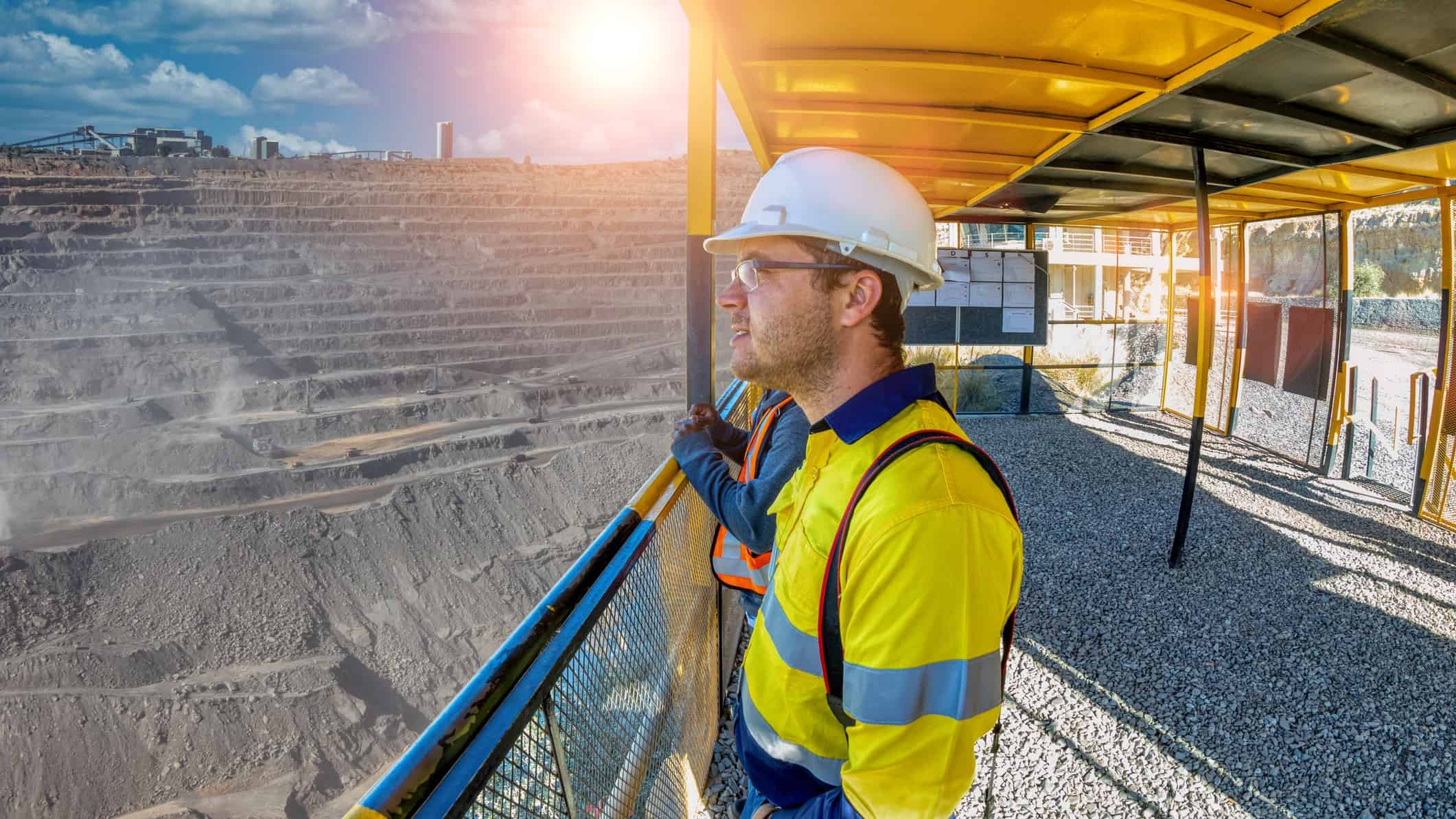
    A South32 mining worker wearing a white hardhat stands on a platform overlooking a huge mine

    A South32 mining worker wearing a white hardhat stands on a platform overlooking a huge mine

    The South32 Ltd (ASX: S32) share price is falling on Wednesday morning.

    In early trade, the mining giant’s shares are down 2% to $4.91.

    Why is the South32 share price falling?

    The weakness in the South32 share price on Wednesday appears to have been driven by an update on an acquisition.

    According to the release, South32 has successfully completed the acquisition of an additional 16.6% shareholding and related rights in Mozal Aluminium from MCA Metals.

    The release notes that South32 has paid a final cash consideration of ~US$200 million. This figure reflects elevated cash and working capital adjustments at acquisition date as the business continues to benefit from strong aluminium prices.

    Following completion, South32’s shareholding in Mozal Aluminium increases to 63.7%. This means that the company’s equity share of aluminium production is now expected to be 281kt for FY 2022 and 370kt for FY 2023.

    However, this appears to have fallen short of the market’s expectations, which could be why the South32 share price is falling today.

    Back in September, South32 revealed that it would acquire up to an additional 25% shareholding for US$250 million. This would take its shareholding up to 75%. But instead, the company has acquired 16.6% for US$200 million. Not only is it getting less shareholding, it is paying a higher premium for it.

    ‘Another major milestone’

    Nevertheless, South32’s Chief Executive Officer, Graham Kerr, was pleased with the news.

    Our acquisition of an additional interest in Mozal Aluminium is another major milestone and comes 22 years following the commissioning of the hydro-powered smelter. It further integrates our position along the aluminium value chain with the smelter a major customer of our Worsley Alumina refinery.

    We are continuing to increase our exposure to metals important to a low carbon future. Following today’s completion and the progress with the Alumar aluminium smelter restart in Brazil using 100% renewable power3, we remain on track to grow our annualised equity share of green aluminium production by more than 100% before the end of FY23, taking the Group’s total aluminium production next year to 1,230kt.

    The post Why is the South32 share price falling today? appeared first on The Motley Fool Australia.

    Should you invest $1,000 in South32 right now?

    Before you consider South32, you’ll want to hear this.

    Motley Fool Investing expert Scott Phillips just revealed what he believes are the 5 best stocks for investors to buy right now… and South32 wasn’t one of them.

    The online investing service he’s run for over a decade, Motley Fool Share Advisor, has provided thousands of paying members with stock picks that have doubled, tripled or even more.* And right now, Scott thinks there are 5 stocks that are better buys.

    *Returns as of January 13th 2022

    More reading

    Motley Fool contributor James Mickleboro has no position in any of the stocks mentioned. The Motley Fool Australia’s parent company Motley Fool Holdings Inc. has no position in any of the stocks mentioned. The Motley Fool Australia has no position in any of the stocks mentioned. The Motley Fool has a disclosure policy. This article contains general investment advice only (under AFSL 400691). Authorised by Scott Phillips.

    from The Motley Fool Australia https://ift.tt/U6NKqFw

  • NAB share price higher after completing $1.2bn Citi consumer business acquisition

    Two hands being shaken symbolising a deal.

    Two hands being shaken symbolising a deal.

    The National Australia Bank Ltd (ASX: NAB) share price is pushing higher on Wednesday morning.

    At the time of writing, the banking giant’s shares are up 1% to $31.58.

    Why is the NAB share price rising?

    The NAB share price is rising this morning after the bank provided an update on a major acquisition.

    According to the release, NAB has completed the $1.2 billion acquisition of Citigroup’s Australian consumer business.

    This acquisition includes a home lending portfolio, unsecured lending business (operating under the Citigroup brand as well as white label partner brands), retail deposits business, and private wealth management business. Approximately 800 employees, including senior management, will join NAB as part of the deal.

    These businesses generated pro forma net profit after tax of $145 million for the 12 months to June 2021. This implies an 8x earnings acquisition multiple for Citigroup’s Australian consumer business.

    Management commentary

    NAB’s Chief Executive Officer, Ross McEwan, appeared pleased to complete the acquisition. He said:

    The acquisition of the Citigroup Consumer Business supports our ambition to build a leading personal bank. We have good momentum in our Personal Banking division, driven by our aim to be simpler and more digital for customers and colleagues.

    Mr McEwan expects the acquisition to support its digital banking goals. He explained:

    The purchase of the Citigroup Consumer Business gives us greater scale in unsecured lending and supports investment in new technology. This will enable us to create more innovative, simple and digital products and services for customers, particularly in unsecured lending and supporting business partners with white label products.

    We welcome our new colleagues to NAB. They bring deep banking expertise and insights into how customers’ needs continue to change.

    The post NAB share price higher after completing $1.2bn Citi consumer business acquisition appeared first on The Motley Fool Australia.

    Should you invest $1,000 in NAB right now?

    Before you consider NAB, you’ll want to hear this.

    Motley Fool Investing expert Scott Phillips just revealed what he believes are the 5 best stocks for investors to buy right now… and NAB wasn’t one of them.

    The online investing service he’s run for over a decade, Motley Fool Share Advisor, has provided thousands of paying members with stock picks that have doubled, tripled or even more.* And right now, Scott thinks there are 5 stocks that are better buys.

    *Returns as of January 13th 2022

    More reading

    Motley Fool contributor James Mickleboro has no position in any of the stocks mentioned. The Motley Fool Australia’s parent company Motley Fool Holdings Inc. has no position in any of the stocks mentioned. The Motley Fool Australia has no position in any of the stocks mentioned. The Motley Fool has a disclosure policy. This article contains general investment advice only (under AFSL 400691). Authorised by Scott Phillips.

    from The Motley Fool Australia https://ift.tt/w1zjnEP