The Vulcan Energy Resources Ltd (ASX: VUL) share price is under pressure on Friday following the release of the company’s latest quarterly update.
At the time of writing, the lithium developer’s shares are down 3.36% to $4.03. This is despite the company outlining what it described as one of the most important periods in its history.
So, what did investors make of it? Let’s unpack.
A transformational quarter for Vulcan
According to the release, Vulcan secured a comprehensive 2.2 billion euro (roughly $3.9 billion) financing package. The funds will be used to support construction of the company’s phase one of its Lionheart Project in Germany’s Upper Rhine Valley.
That package allowed Vulcan’s board to approve a positive final investment decision (FID) in December, marking a major turning point. With that decision in place, Lionheart has moved out of development and into full execution mode.
Phase one Lionheart targets annual production of 24,000 tonnes of battery grade lithium hydroxide, alongside renewable geothermal power and heat. Vulcan is positioning the project as Europe’s first fully integrated, carbon-neutral lithium supply chain.
Construction activity ramps up
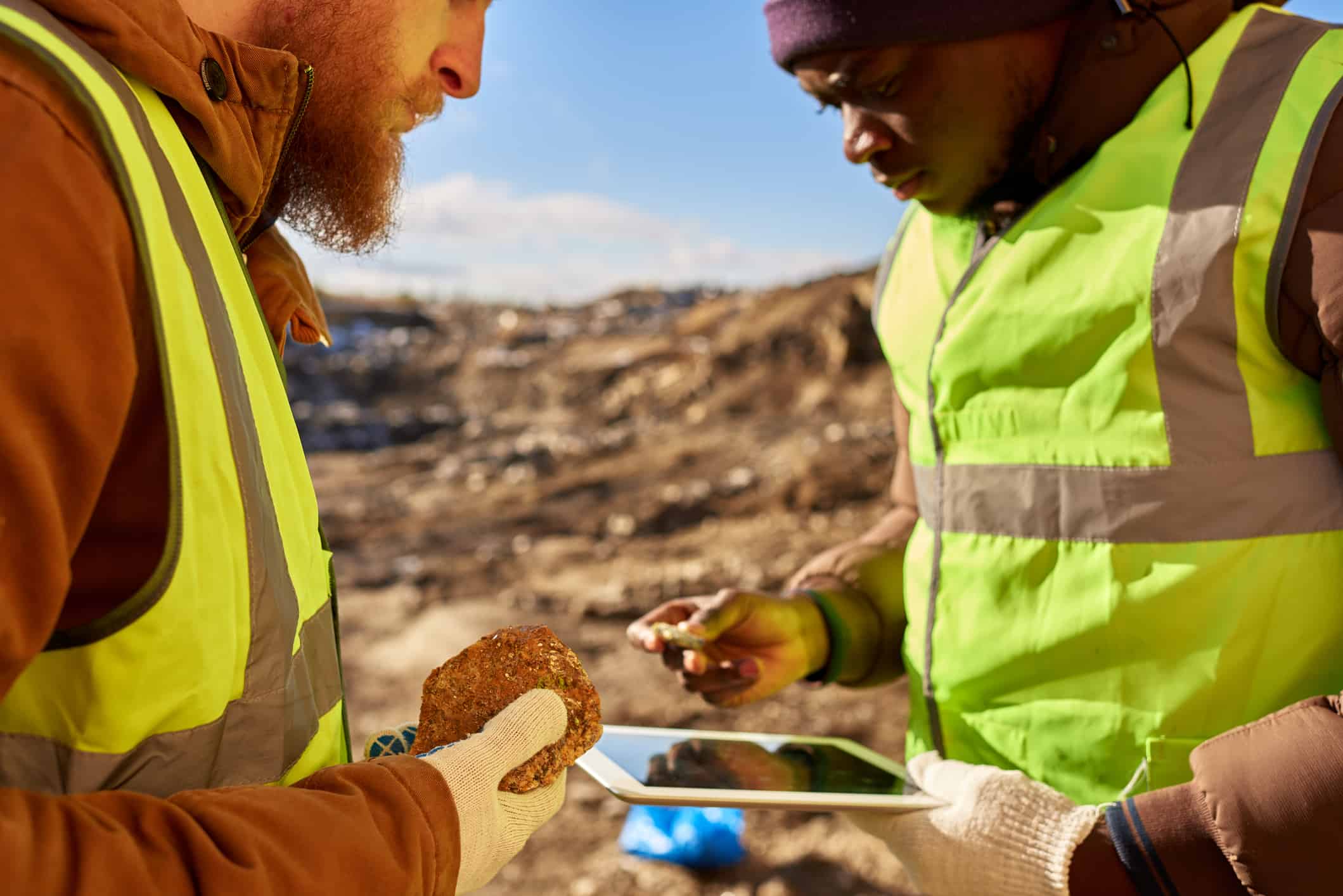
During the quarter, Vulcan commenced construction of its integrated geothermal lithium extraction plant in Landau. Development also progressed at its central lithium processing plant in Frankfurt Hochst.
Vulcan finished drilling at the LSC-1 site, and the results showed the wells are producing as expected. A follow-up well drilled in January confirmed those results, with testing equipment running at maximum capacity.
On the commercial front, Vulcan signed an offtake agreement with Glencore covering between 36,000 and 44,000 tonnes of lithium hydroxide over an initial 8-year period.
A look at the balance sheet
Vulcan’s quarterly cash flow report highlights just how significant the funding milestone was.
The company ended the December quarter with cash and cash equivalents of 523 million euros. During the period, Vulcan recorded net financing inflows of more than 508 million euros, reflecting proceeds from equity issues tied to the phase one financing package.
The company is well funded to progress construction, even as operating and investing cash outflows remain elevated during the build-out.
So why are shares falling?
Today’s share price reaction appears more about short-term expectations rather than fundamentals.
Vulcan shares rallied strongly in anticipation of the FID and financing outcome. With those key approvals now behind it, some investors appear to be taking profits while others reassess the next phase.
It also reflects a shift in focus from milestones to execution, with investors now watching closely for delivery risk, cost control, and timeline certainty as construction activity accelerates.
The post Why is the Vulcan share price down today? appeared first on The Motley Fool Australia.
Should you invest $1,000 in Vulcan Energy Resources Limited right now?
Before you buy Vulcan Energy Resources Limited shares, consider this:
Motley Fool investing expert Scott Phillips just revealed what he believes are the 5 best stocks for investors to buy right now… and Vulcan Energy Resources Limited wasn’t one of them.
The online investing service he’s run for over a decade, Motley Fool Share Advisor, has provided thousands of paying members with stock picks that have doubled, tripled or even more.*
And right now, Scott thinks there are 5 stocks that may be better buys…
* Returns as of 1 Jan 2026
.custom-cta-button p {
margin-bottom: 0 !important;
}
More reading
- Up 10% in a month. Is this ASX lithium stock finally back on track?
- Bell Potter names the ASX lithium stocks to buy
Motley Fool contributor Aaron Teboneras has no position in any of the stocks mentioned. The Motley Fool Australia’s parent company Motley Fool Holdings Inc. has no position in any of the stocks mentioned. The Motley Fool Australia has no position in any of the stocks mentioned. The Motley Fool has a disclosure policy. This article contains general investment advice only (under AFSL 400691). Authorised by Scott Phillips.
Leave a Reply