Rio Tinto Ltd (ASX: RIO) shares are drifting lower on Tuesday, down 0.89% to $175.79 at the time of writing.
The move is fairly modest compared with the stock’s performance over the past year.
Rio Tinto shares are up almost 20% in 2026 and around 49% over the past 12 months. The stock also traded as high as $182.70 late last month, putting it close to its 52-week high.
So, investors have had plenty to cheer about.
But there’s a new development out of China that could be worth keeping an eye on.
China is pushing harder on iron ore
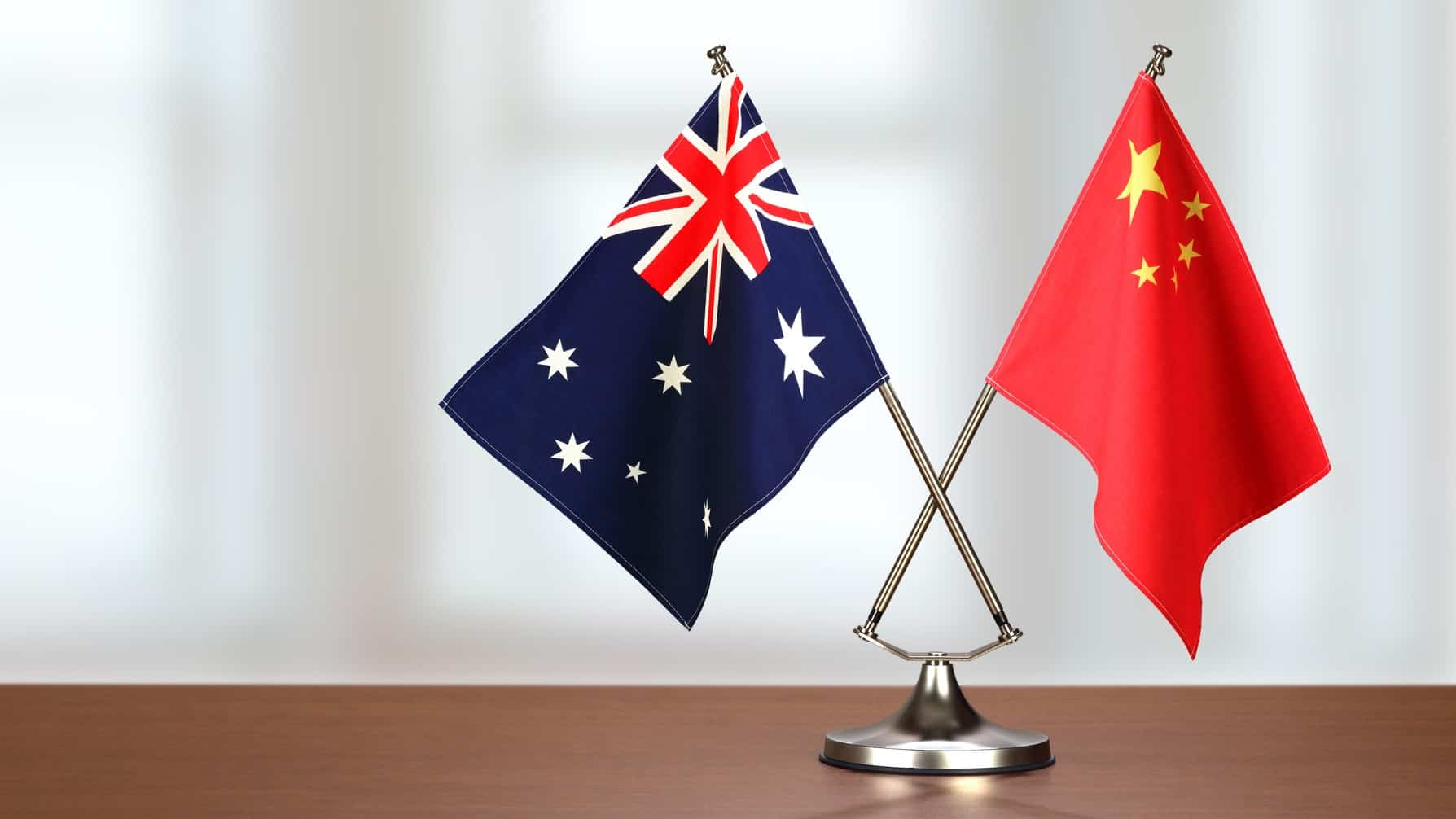
According to The Australian, China Mineral Resources Group (CMRG) has told some steel mills to stop buying Rio Tinto’s flagship Pilbara Blend while contract negotiations continue.
CMRG has been negotiating iron ore purchases on behalf of China since 2022, with the aim of using the country’s huge buying power to push for better prices and terms.
And Rio Tinto isn’t the first miner to feel the pressure. BHP Group Ltd (ASX: BHP) only reached a deal with CMRG in April after around 7 months of negotiations, while Fortescue Ltd (ASX: FMG) has also faced tougher talks with the state-backed buyer.
Iron ore is still Rio Tinto’s biggest earnings contributor, and China buys a huge amount of what it produces. If the dispute drags on and Chinese mills continue holding back purchases, it could eventually start weighing on sales volumes or the prices Rio Tinto receives.
At this stage, there is no suggestion it will get that far, but it’s still something investors will want to follow closely.
Copper is closing the gap
The good news is the business is becoming much more balanced.
In the first-half of 2026, iron ore generated US$6.8 billion of EBITDA. Copper was close behind at US$5.7 billion, while aluminium and lithium contributed another US$3.3 billion.
Copper EBITDA jumped 84% from the first-half of 2025, helped by stronger prices and higher production from the Oyu Tolgoi mine in Mongolia.
The overall result was strong too. Underlying EBITDA rose 28% to US$14.8 billion, underlying earnings climbed 43% to US$6.85 billion and free cash flow increased 75% to US$3.8 billion.
Rio Tinto also lifted its interim dividend by 43% to US$3.4 billion.
And then there’s the AI boom
There could also be another source of demand coming from the huge amount of money being spent on AI and data centres.
CEO Simon Trott recently pointed out that the raw materials Rio Tinto produces can make up “up to 70 per cent of the value” of the materials used in a data centre.
That could become a much bigger opportunity, with spending by hyperscalers forecast to approach US$1 trillion next year.
Copper is an obvious beneficiary, but aluminium and lithium could also benefit as more data centres are built and electricity demand continues to grow.
The post Is China about to become a problem for Rio Tinto shares? appeared first on The Motley Fool Australia.
Should you invest $1,000 in Rio Tinto Group right now?
Before you buy Rio Tinto Group shares, consider this:
Motley Fool investing expert Scott Phillips just revealed what he believes are the 5 best stocks for investors to buy right now… and Rio Tinto Group wasn’t one of them.
The online investing service he’s run for over a decade, Motley Fool Share Advisor, has provided thousands of paying members with stock picks that have doubled, tripled or even more.*
And right now, Scott thinks there are 5 stocks that may be better buys…
* Returns as of 1 August 2026
.custom-cta-button p {
margin-bottom: 0 !important;
}
More reading
- How much do I need in my superannuation to earn $10,000 passive income every month?
- These ASX shares benefit from a high Aussie dollar
- Up 57%! Should I still buy Rio Tinto shares today?
- Up 20% this year, are Rio Tinto shares still good value?
- What’s driving the ASX 200 higher today?
Motley Fool contributor Aaron Teboneras has no position in any of the stocks mentioned. The Motley Fool Australia’s parent company Motley Fool Holdings Inc. has no position in any of the stocks mentioned. The Motley Fool Australia has no position in any of the stocks mentioned. The Motley Fool has a disclosure policy. This article contains general investment advice only (under AFSL 400691). Authorised by Scott Phillips.