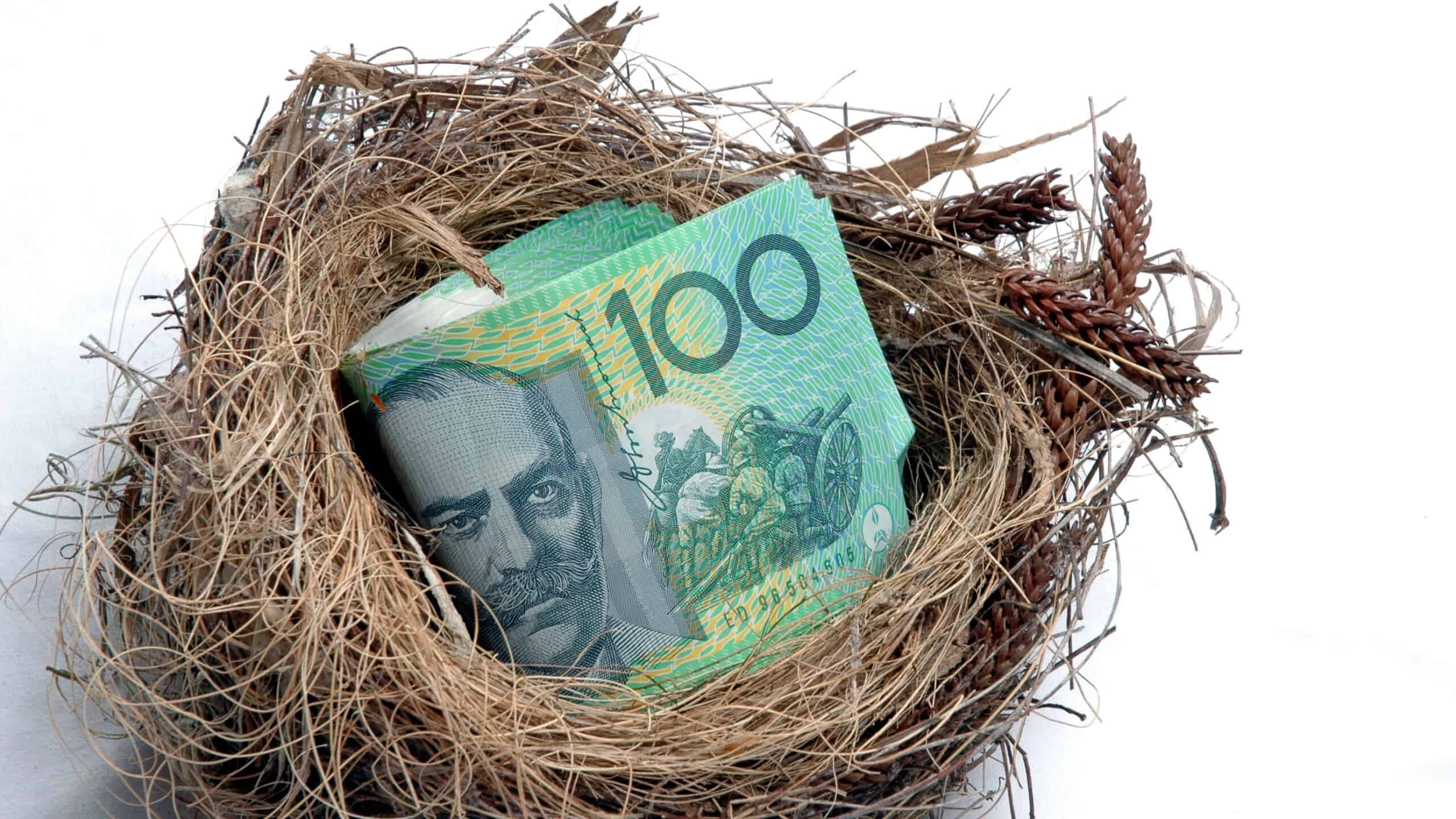
Having a target when you’re putting away money for superannuation is a great way to stay on track and have some peace of mind about what you can expect from your super when you retire.
Nothing is certain in the world of investing, but what is certain is that if you just leave it up to fate, you’re more likely to have a surprise on the downside.
Time to do the sums on your superannuation
So, how much money do you actually need? As much as possible is the obvious answer; however, most of us have to strike a balance between what we can put away for the future and what we need to fund our current lifestyle.
A good yardstick for how much is needed is the figure published by the Association of Superannuation Funds of Australia (ASFA), which says that, for a comfortable retirement, singles need $55,923 per year and couples need $78,566 per year.
These figures assume the retiree owns their own home and is therefore not paying rent or a mortgage.
Looking at these figures, a $5000 per month superannuation income stream places a single retiree squarely in the comfortable zone, with a little buffer to play with.
To hit the $5000 per month target in terms of investment returns, assuming no drawdown of capital, a retiree would need $857,142 in their super if they could achieve a dividend return of 7% per year, which I’d argue is doable.
If that return were to drop to 5%, the amount needed in super would rise to $1.2 million, while it would drop to $600,000 if a 10% return could be achieved.
So, how realistic is a 7% return?
First, you have to take into account that retirees get the benefit of franking credits, meaning they are reimbursed for the tax paid by companies they own shares in.
For example, Fortescue Ltd (ASX: FMG) is paying a trailing dividend of 6.46%. But when the franking credit is added back in, this rises to 9.23%.
While high dividends cannot be assured over the longer term, it is possible to focus on companies or funds that specifically aim to return dividends rather than grow capital.
One such is WAM Active Ltd (ASX: WAA), which recently announced a special dividend on top of its final dividend.
The fund said in a statement to the ASX that this would bring its fully-franked dividend yield to 8.6% and its grossed-up dividend yield to 12.3%.
There is also the S&P/ASX 200 Covered Call Complex ETF (ASX: AYLD), which uses a more complex strategy to deliver high yields, paying 9.64% over the past 12 months, albeit only franked at 15.3%.
Infrastructure companies, which tend to plan for the long term, can also be consistent dividend payers, with gas pipeline company APA Group (ASX: APA) paying 5.63% and Dalrymple Bay Infrastructure Ltd (ASX: DBI) paying 4.56%.
The post How much do I need in superannuation to receive $5000 per month in passive income? appeared first on The Motley Fool Australia.
Should you invest $1,000 in Fortescue right now?
Before you buy Fortescue shares, consider this:
Motley Fool investing expert Scott Phillips just revealed what he believes are the 5 best stocks for investors to buy right now… and Fortescue wasn’t one of them.
The online investing service he’s run for over a decade, Motley Fool Share Advisor, has provided thousands of paying members with stock picks that have doubled, tripled or even more.*
And right now, Scott thinks there are 5 stocks that may be better buys…
* Returns as of 16 June 2026
.custom-cta-button p {
margin-bottom: 0 !important;
}
More reading
- How I would turn $200,000 into an ASX retirement income portfolio
- How much do I need in my superannuation to earn $7k per month in passive income?
- How to build an ASX dividend portfolio that keeps paying you for decades
- How to make $50,000 of passive income from ASX shares like CBA
- How I would build an ASX portfolio with just 3 investments
Motley Fool contributor Cameron England has no position in any of the stocks mentioned. The Motley Fool Australia’s parent company Motley Fool Holdings Inc. has no position in any of the stocks mentioned. The Motley Fool Australia has positions in and has recommended Apa Group. The Motley Fool has a disclosure policy. This article contains general investment advice only (under AFSL 400691). Authorised by Scott Phillips.