Author: openjargon

  • 3 reliable ASX dividend shares for set-and-forget investing

    Businessman studying a high technology holographic stock market chart.

    When it comes to set-and-forget investing, it’s important to have a solid framework and ask yourself the right questions. Essentially, you are looking for ASX dividend shares that have a solid defensive moat, an understandable business model, a resilient balance sheet, a growth runway, and a fair price.

    Here are three worth considering for your set-and-forget investing portfolio.

    Washington H. Soul Pattinson and Co Ltd (ASX: SOL)

    While the name is often thought of in terms of the pharmacies, the company divested its last remaining interests in the retail chain in 2020. Today, it is an investment company that owns a portfolio designed to build wealth steadily over time.

    In 2025, it completed a merger with building materials manufacturer Brickworks Limited, ending five decades of cross-shareholdings between the companies. The new arrangement created a $14 billion investment powerhouse, further improving liquidity and transparency.

    Why is Washington H. Soul Pattinson a solid ASX dividend share?  

    Soul Patts’ diversification across multiple uncorrelated sectors is its defensive moat. Diversification on this scale smooths earnings, reduces volatility, and allows long-term capital allocation.

    The model is a simple one – a long-running investment conglomerate that invests in high-quality businesses and compounds capital, and it is in a robust financial position. Soul Patts holds pre-tax net assets of $13.5 billion as at 1H26, up 14.6% on the prior corresponding period (PCP). And cash holdings of $427 million, providing resiliency if things go wrong. However, the scale of its diversification also gives it ample coverage here.

    As for its growth runway, Soul Patts invests in both listed and unlisted businesses across the globe, providing almost limitless investment opportunity. And it remains a family-run enterprise, despite its scale, so management skin in the game is apparent too.

    And when it comes to returns, Soul Patts comes through here too. It has paid dividends every year since it listed on the ASX over a century ago. And every year for the last 27 years, the dividend has grown year on year.

    You will pay a premium, but the valuation is justified for set-and-forget investors given its solid track record and high-quality balance sheet.

    Cochlear Ltd (ASX: COH)

    Cochlear is a global leader in implantable hearing solutions, with a market share of around 60% in developed markets. It has solid recurring revenue streams too, with patients returning for upgrades or device accessories.

    Why is Cochlear a solid ASX dividend share?

    A quality, trusted healthcare product that makes meaningful change in people’s lives creates customer stickiness — patients often stay in the Cochlear ecosystem. Its global reputation and position in a tightly regulated market give it a solid defensive moat, and its balance sheet remains resilient despite some challenges of late.

    Its business model is easy to understand — we all know what Cochlear does. Today, more than 1 million people across the globe use a Cochlear device. And with an aging population, the demand for hearing devices is set to increase in the coming years, creating a growth runway. It is also a known innovator, consistently investing in Research & Development. As technology advances, I believe Cochlear will remain at the forefront.

    However, it has faced some setbacks of late, which has seen the share price fall 37% in the last twelve months. Delays in transitioning patients to its new Nucleus Nexa device have contributed to underlying net profits falling 9%, missing analysts’ expectations.

    That said, it retains strong cash holdings, with operating cash flow increasing by $26.9 million to $136.8 million and free cash flow up by $24 million to $82.7 million in its 1H26 reporting.

    It also recently announced a dividend of $2.15, flat against the prior corresponding period. While this has some worried that it might signal the end of steadily increasing dividends for the healthcare leader, I think it will bounce back in the second half as the Nucleus Nexa rollout regains momentum.

    For me, recent conditions have created an opportunity for set-and-forget investors to get in on a market leader at an attractive price.

    Brambles Ltd (ASX: BXB)

    Brambles operates CHEP, the world’s largest pallet-pooling network, providing reusable pallets, crates, and containers used across the globe. Its model creates a cost-effective and efficient circular logistics solution for manufacturers and retailers, and its service is widely considered the benchmark in pallet pooling.  

    Why is Brambles a solid ASX dividend share?

    Brambles has a classic defensive moat built on scale, network effect, and customer stickiness. The scale of its services means it is disruptive and difficult for customers to switch, and given the quality of its service, they have little incentive to consider a move.

    While global logistics is complex, its business is relatively simple. Brambles rents shipping pallets to its customers, collects, repairs, reissues, and repeats. This circular model gives it largely predictable cash flows.

    Brambles 1H26 reporting showed a resilient balance sheet with sales revenue and underlying profit increasing, and free cash holdings of US$481.7 million, up $52.5 million on 2025. It also reported an interim dividend of US$0.23 per share, up 21% on FY25.  

    These results are particularly strong in the current global climate, with demand headwinds in some markets and increasing inflation-driven cost pressures. 

    While it has a moderate to high price-to-earnings (P/E) ratio, I think you are paying for quality here. With solid dividends, a wide defensive moat, and a resilient balance sheet, the current share price represents fair value for set-and-forget investors, in my view.  

    The post 3 reliable ASX dividend shares for set-and-forget investing appeared first on The Motley Fool Australia.

    Should you invest $1,000 in Washington H. Soul Pattinson and Company Limited right now?

    Before you buy Washington H. Soul Pattinson and Company Limited shares, consider this:

    Motley Fool investing expert Scott Phillips just revealed what he believes are the 5 best stocks for investors to buy right now… and Washington H. Soul Pattinson and Company Limited wasn’t one of them.

    The online investing service he’s run for over a decade, Motley Fool Share Advisor, has provided thousands of paying members with stock picks that have doubled, tripled or even more.*

    And right now, Scott thinks there are 5 stocks that may be better buys…

    * Returns as of 20 Feb 2026

    .custom-cta-button p {
    margin-bottom: 0 !important;
    }

    More reading

    Motley Fool contributor Melissa Maddison has no position in any of the stocks mentioned. The Motley Fool Australia’s parent company Motley Fool Holdings Inc. has positions in and has recommended Cochlear and Washington H. Soul Pattinson and Company Limited. The Motley Fool Australia has positions in and has recommended Washington H. Soul Pattinson and Company Limited. The Motley Fool Australia has recommended Cochlear. The Motley Fool has a disclosure policy. This article contains general investment advice only (under AFSL 400691). Authorised by Scott Phillips.

  • Buy, hold, sell: Northern Star, Telix, and Virgin Australia shares

    Focused man entrepreneur with glasses working, looking at laptop screen thinking about something intently while sitting in the office.

    Are you looking for ASX shares to buy after this month’s market weakness?

    Well, if you are, let’s see what analysts are saying about the popular shares in this article, courtesy of The Bull.

    Are they buys, holds, or sells? Let’s find out:

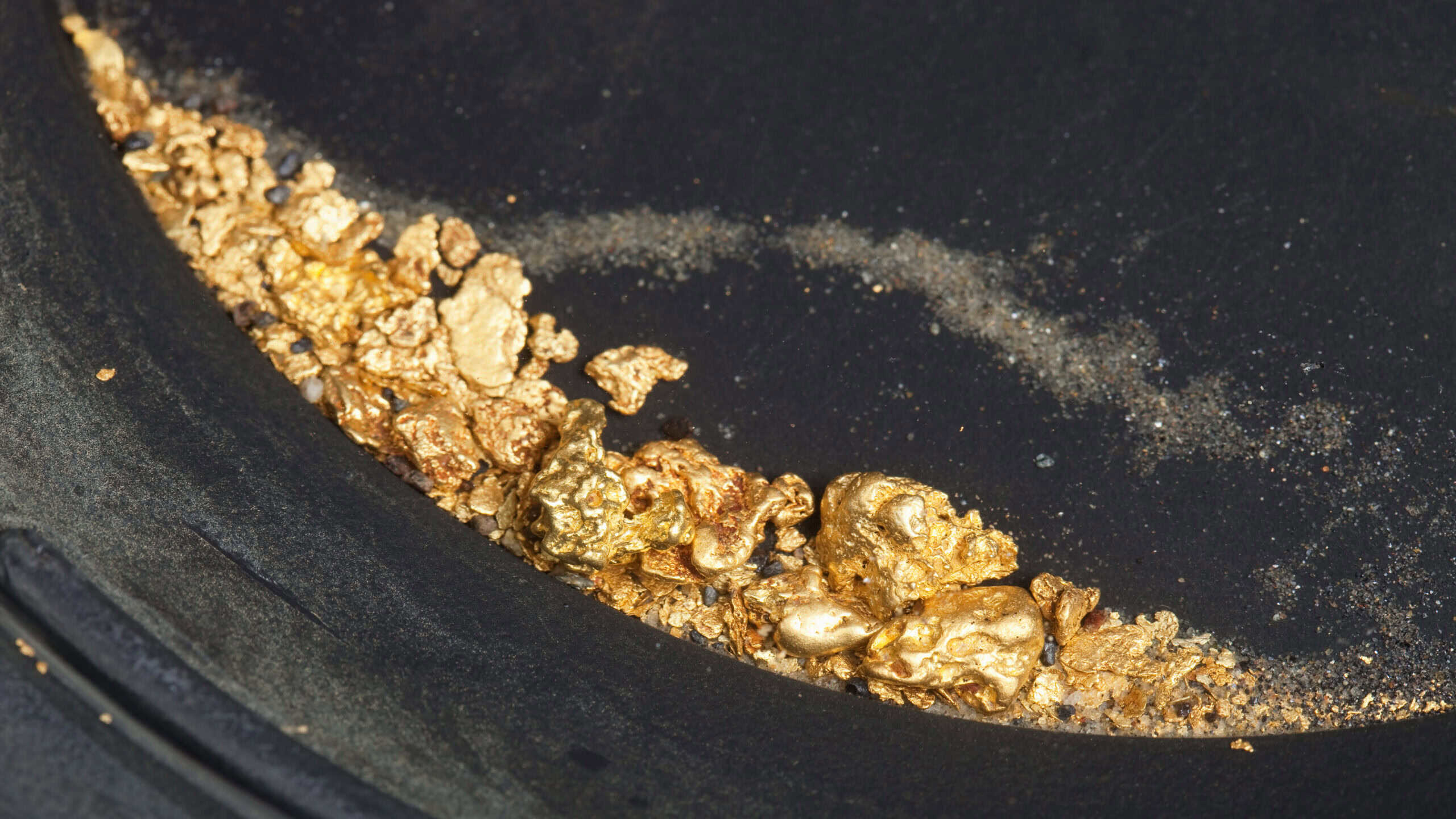
    Northern Star Resources Ltd (ASX: NST)

    This gold miner’s shares have been named as a buy by the team at MPC Markets.

    It highlights that while it owns one of the best gold assets in the world, it has been disappointed with its operational performance. It explains:

    The gold company has been punished for downgrading gold production. Mechanical and equipment issues at its flagship Kalgoorlie operation have been frustrating, and the market has lost patience. However, Northern Star still owns one of the best gold assets in the world and its long term reserve base is intact.

    The conflict in Iran has also generated indiscriminate selling in gold miners that history tends to show as a buying opportunity. Operational problems are temporary and we expect the gold price to improve moving forward.

    Telix Pharmaceuticals Ltd (ASX: TLX)

    MPC Markets is a lot more positive on the radiopharmaceuticals company and has named it as a buy this week.

    It is feeling optimistic that Telix may finally be granted FDA approval for Pixclara this year. It commented:

    The company’s prostate imaging agent is generating strong sales in the United States. The near term story is about brain cancer imaging. The company recently re-submitted its drug application to the US Food and Drug Administration (FDA) for Pixclara, an imaging agent for a particularly aggressive form of brain cancer.

    The FDA has given it priority status, and Telix has gone through a formal meeting to address every question raised in its previous application. In our view, a re-submission isn’t a setback, but the last step before approval. We believe the market isn’t pricing in the benefits of a potentially successful FDA outcome.

    Virgin Australia Holdings Ltd (ASX: VGN)

    Over at Catapult Wealth, it has put a hold rating on this airline operator’s shares.

    While it was pleased with its strong performance during the first half, it is concerned about rising expenses. It explains:

    The Australian airline delivered a strong result in the first half of fiscal year 2026, with underlying earnings before interest and tax increasing by 11.7 per cent to $490 million. Revenue per available seat kilometre (RASK) was up 6.4 per cent. The group’s transformation program delivered more than $200 million in gross benefits.

    The company has now exhausted tax losses and will begin paying tax, with franking credits at $94 million. While demand and yields remain supportive, rising expenses suggest a balanced hold stance.

    The post Buy, hold, sell: Northern Star, Telix, and Virgin Australia shares appeared first on The Motley Fool Australia.

    Should you invest $1,000 in Northern Star Resources Limited right now?

    Before you buy Northern Star Resources Limited shares, consider this:

    Motley Fool investing expert Scott Phillips just revealed what he believes are the 5 best stocks for investors to buy right now… and Northern Star Resources Limited wasn’t one of them.

    The online investing service he’s run for over a decade, Motley Fool Share Advisor, has provided thousands of paying members with stock picks that have doubled, tripled or even more.*

    And right now, Scott thinks there are 5 stocks that may be better buys…

    * Returns as of 20 Feb 2026

    .custom-cta-button p {
    margin-bottom: 0 !important;
    }

    More reading

    Motley Fool contributor James Mickleboro has no position in any of the stocks mentioned. The Motley Fool Australia’s parent company Motley Fool Holdings Inc. has positions in and has recommended Telix Pharmaceuticals. The Motley Fool Australia has recommended Telix Pharmaceuticals. The Motley Fool has a disclosure policy. This article contains general investment advice only (under AFSL 400691). Authorised by Scott Phillips.

  • Here are the top 10 ASX 200 shares today

    Three children wearing athletic short and singlets stand side by side on a running track wearing medals around their necks and standing with their hands on their hips.

    The S&P/ASX 200 Index (ASX: XJO) had a rough start to the trading week this Monday, although the markets recovered a little from a brutal mid-morning plunge by the time trading wrapped up today.

    After starting deep in red territory this morning, the ASX 200 dropped as low as 8,379 points during intra-day trading before wrapping up at a flat 8,461 points. That puts the index down 0.65% for the session today.

    This rather bleak Monday for ASX investors came after an even more turbulent end to the American trading week on Saturday morning (our time).

    The Dow Jones Industrial Average Index (DJX: .DJI) was hit hard, dropping by a nasty 1.73%.

    The tech-heavy Nasdaq Composite Index (NASDAQ: .IXIC) fared even worse, falling by a horrid 2.15%.

    But let’s get back to this week and our local markets, and check out the damage to the different ASX sectors inflicted by today’s market drop.

    Winners and losers

    Despite the market’s drop, there were still plenty of sectors that fared decently today. But first, let’s get through the losers.

    Leading said losers this session were tech shares. The S&P/ASX 200 Information Technology Index (ASX: XIJ) suffered again today, crashing 3.16% lower.

    Financial stocks were shunned as well, with the S&P/ASX 200 Financials Index (ASX: XFJ) tanking 2.23%.

    Consumer discretionary shares were also in the firing line. The S&P/ASX 200 Consumer Discretionary Index (ASX: XDJ) took a 1.7% plunge.

    Healthcare stocks weren’t spared, evident from the S&P/ASX 200 Healthcare Index (ASX: XHJ)’s 1.3% dive.

    Real estate investment trusts (REITs) did a little better. The S&P/ASX 200 A-REIT Index (ASX: XPJ) still cratered by 0.7%, though.

    Industrial shares were friendless too, with the S&P/ASX 200 Industrials Index (ASX: XNJ) sliding 0.53%.

    Our last losers were communications stocks. The S&P/ASX 200 Communication Services Index (ASX: XTJ) slipped down 0.24% today.

    Let’s get to the winners now. Leading the fightback were, you guessed it, energy shares, illustrated by the S&P/ASX 200 Energy Index (ASX: XEJ)’s 2.29% surge.

    Gold stocks were right behind that. The All Ordinaries Gold Index (ASX: XGD) soared up 2.17% this Monday.

    Utilities shares ran hot too, with the S&P/ASX 200 Utilities Index (ASX: XUJ) jumping 1.4%.

    As did mining stocks. The S&P/ASX 200 Materials Index (ASX: XMJ) ended up lifting 1.27%.

    Finally, consumer staples shares were a safe haven, as you can see from the S&P/ASX 200 Consumer Staples Index (ASX: XSJ)’s 0.67% rise.

    Top 10 ASX 200 shares countdown

    Today’s best stock came in as gold miner Greatland Resources Ltd (ASX: GGP). Greatland shares shot up 11.07% to $10.84 this session. This big gain followed the news that the company had increased its reserves estimated for two mines.

    Here’s the rest of today’s best:

    ASX-listed company Share price Price change
    Greatland Resources Ltd (ASX: GGP) $10.84 11.07%
    South32 Ltd (ASX: S32) $4.41 9.43%
    Alcoa Corporation (ASX: AAI) $93.06 8.27%
    New Hope Corporation Ltd (ASX: NHC) $6.11 7.95%
    Whitehaven Coal Ltd (ASX: WHC) $9.84 6.61%
    Karoon Energy Ltd (ASX: KAR) $2.14 5.94%
    IperionX Ltd (ASX: IPX) $3.38 5.30%
    Northern Star Resources Ltd (ASX: NST) $19.51 5.18%
    Rio Tinto Ltd (ASX: RIO) $160.78 4.93%
    Yancoal Australia Ltd (ASX: YAL) $8.70 4.07%

    Our top 10 shares countdown is a recurring end-of-day summary that shows which companies made big moves on the day. Check in at Fool.com.au after the weekday market closes to see which stocks make the countdown.

    The post Here are the top 10 ASX 200 shares today appeared first on The Motley Fool Australia.

    Should you invest $1,000 in Greatland Resources right now?

    Before you buy Greatland Resources shares, consider this:

    Motley Fool investing expert Scott Phillips just revealed what he believes are the 5 best stocks for investors to buy right now… and Greatland Resources wasn’t one of them.

    The online investing service he’s run for over a decade, Motley Fool Share Advisor, has provided thousands of paying members with stock picks that have doubled, tripled or even more.*

    And right now, Scott thinks there are 5 stocks that may be better buys…

    * Returns as of 20 Feb 2026

    .custom-cta-button p {
    margin-bottom: 0 !important;
    }

    More reading

    Motley Fool contributor Sebastian Bowen has no position in any of the stocks mentioned. The Motley Fool Australia’s parent company Motley Fool Holdings Inc. has no position in any of the stocks mentioned. The Motley Fool Australia has no position in any of the stocks mentioned. The Motley Fool has a disclosure policy. This article contains general investment advice only (under AFSL 400691). Authorised by Scott Phillips.

  • Are investors taking a massive gamble by chasing the Woodside share price higher?

    ASX energy share price buy represented by man holding petrol pump line which is forming upward trending arrow

    The Woodside Energy Group Ltd (ASX: WDS) share price is charging higher again on Monday, rising 2.29% to $35.26.

    That pushes the energy giant’s gain to almost 50% in 2026, making it one of the standout performers on the ASX this year.

    The latest move comes as oil prices continue to surge amid the escalating US-Israel and Iran conflict in the Middle East, with Brent crude climbing above US$116 a barrel and WTI moving past US$101.

    With Woodside shares now trading near fresh highs, investors are now assessing how much upside remains in the stock. The key question is whether the recent surge in oil prices has already captured most of the near-term gains.

    Oil prices are doing the heavy lifting

    The main driver behind Woodside’s rally remains the rapid move in global energy prices.

    Brent crude has climbed to its highest level since 2022 as the conflict broadens across the region and shipping risks around the Strait of Hormuz heat up.

    Woodside is highly exposed to stronger realised prices across its LNG, condensate, and oil portfolio.

    The company has also benefited from the restart of offshore workforce mobilisation at the Karratha gas plant following recent cyclone disruptions. With that issue easing, investor focus has returned to stronger commodity prices.

    With Brent nearing US$120 and some analysts discussing even higher oil scenarios if the conflict continues, earnings forecasts across the energy sector are lifting.

    That is continuing to support Woodside’s share price.

    The valuation question is becoming harder

    The challenge for investors chasing the rally is that much of the near-term good news is now reflected in the price.

    At $35.26, Woodside is trading well above the average analyst 12-month price target of around $29.11, though the high-end target still extends beyond $41.35.

    That valuation gap is becoming harder to ignore.

    It suggests the share price now depends more on oil staying high for longer than on Woodside’s underlying production base.

    Broker consensus also remains fairly balanced, with the broader market still sitting closer to a neutral or hold-style view despite several bullish calls.

    While this does not automatically make the stock expensive, it does leave less room for disappointment if oil prices pull back.

    Why investors still keep buying

    Even with that valuation stretch, there are still clear reasons the stock continues attracting buyers.

    Woodside offers strong cash flow sensitivity to crude prices, a large LNG growth pipeline through Scarborough and Trion, and a dividend yield that becomes increasingly attractive when commodity prices remain high.

    The market also remains focused on large-scale energy producers that stand to benefit when supply risks increase.

    Foolish takeaway

    The rise in Woodside’s share price is being driven mainly by higher oil and gas prices, not just market excitement.

    However, at current levels, investors are effectively betting that oil prices will stay high for some time.

    With shares above broker targets and up nearly 50% this year, further gains will likely depend on oil prices continuing to rise.

    The post Are investors taking a massive gamble by chasing the Woodside share price higher? appeared first on The Motley Fool Australia.

    Should you invest $1,000 in Woodside Energy Group Ltd right now?

    Before you buy Woodside Energy Group Ltd shares, consider this:

    Motley Fool investing expert Scott Phillips just revealed what he believes are the 5 best stocks for investors to buy right now… and Woodside Energy Group Ltd wasn’t one of them.

    The online investing service he’s run for over a decade, Motley Fool Share Advisor, has provided thousands of paying members with stock picks that have doubled, tripled or even more.*

    And right now, Scott thinks there are 5 stocks that may be better buys…

    * Returns as of 20 Feb 2026

    .custom-cta-button p {
    margin-bottom: 0 !important;
    }

    More reading

    Motley Fool contributor Aaron Teboneras has no position in any of the stocks mentioned. The Motley Fool Australia’s parent company Motley Fool Holdings Inc. has no position in any of the stocks mentioned. The Motley Fool Australia has no position in any of the stocks mentioned. The Motley Fool has a disclosure policy. This article contains general investment advice only (under AFSL 400691). Authorised by Scott Phillips.

  • Down 55%! Can this ASX financial stock stage a major comeback?

    two people sitting at a desk look on in dismay as a colleague holds a chart with diminishing green bars topped with a jagged red line representing a stock market crash.

    It’s been another brutal start to the week for this ASX financial stock. Zip Co Ltd (ASX: ZIP) shares slipped another 6.2% to $1.48 at the time of writing.  

    That pushes its total year-to-date loss to a staggering 55%.

    By comparison, the S&P/ASX 300 Index (ASX: XKO) has lost 3.9% so far this year.

    Modest profit projections

    The pain isn’t new — over the past 12 months, Zip has been battered by market headwinds, regulatory scrutiny, and investor jitters.

    The half-year results released last month triggered the biggest single drop, with the ASX financial stock tumbling 34% on concerns about modest profit projections.

    Zip is a homegrown fintech innovator, best known for its buy-now-pay-later (BNPL) offerings. It allows customers to split purchases into interest-free installments, while offering merchants faster access to cash and analytics on spending behavior.

    The platform has been widely adopted by Australian consumers, but rising competition and a cooling economy have put pressure on growth and margins.

    Increasing revenue per user

    Despite the rough patch, Zip isn’t standing still. Management of the $2 billion ASX financial stock is focused on expanding its product suite beyond core BNPL offerings, including digital wallets, credit products, and business financing.

    The goal is to increase customer engagement and revenue per user. The company is trying to address the very concern that spooked investors during the half-year results — namely, the pace of profit growth.

    One of Zip’s key strengths is its brand recognition and tech infrastructure. The platform has millions of users and a growing merchant network, which creates a network effect that competitors find hard to replicate.

    By leveraging this base, Zip has the potential to cross-sell new services and diversify revenue streams, potentially driving a recovery in both earnings and investor sentiment.

    Consumer debt concerns

    That said, risks remain for the ASX financial stock. The fintech sector is under regulatory scrutiny, and BNPL players have come under the microscope amid concerns over consumer debt.

    Rising interest rates and tighter credit conditions could further dampen adoption and usage. With the share price of the ASX financial stock sitting near 12-month lows, any stumble in execution or softer-than-expected earnings could prolong the decline.

    What next for the ASX financial stock?

    From a valuation perspective, Zip now trades at a significant discount relative to its historical highs, which could make the ASX financial stock attractive to long-term investors willing to ride out volatility. If management can successfully execute on its growth initiatives and reassure the market about profit trajectory, there’s room for a strong rebound.

    Analysts are optimistic, noting that the company’s technology, brand, and customer base are durable competitive advantages. Even if near-term earnings remain challenged.

    The average price target is $4.21. That’s about 184% upside — nearly triple its current share price. 

    The post Down 55%! Can this ASX financial stock stage a major comeback? appeared first on The Motley Fool Australia.

    Should you invest $1,000 in Zip Co right now?

    Before you buy Zip Co shares, consider this:

    Motley Fool investing expert Scott Phillips just revealed what he believes are the 5 best stocks for investors to buy right now… and Zip Co wasn’t one of them.

    The online investing service he’s run for over a decade, Motley Fool Share Advisor, has provided thousands of paying members with stock picks that have doubled, tripled or even more.*

    And right now, Scott thinks there are 5 stocks that may be better buys…

    * Returns as of 20 Feb 2026

    .custom-cta-button p {
    margin-bottom: 0 !important;
    }

    More reading

    Motley Fool contributor Marc Van Dinther has no position in any of the stocks mentioned. The Motley Fool Australia’s parent company Motley Fool Holdings Inc. has no position in any of the stocks mentioned. The Motley Fool Australia has no position in any of the stocks mentioned. The Motley Fool has a disclosure policy. This article contains general investment advice only (under AFSL 400691). Authorised by Scott Phillips.

  • This beaten-down ASX stock just secured a $550 million lifeline. So why is it falling?

    Man with his hand on his face reading a letter with bad news in it.

    The Star Entertainment Group Ltd (ASX: SGR) share price is sinking on Monday, falling 4% to 12 cents.

    The latest drop leaves Star Entertainment shares down more than 30% in 2026, extending what has already been a brutal year for the embattled gaming group.

    Despite today’s major update, investors are still heading for the exits.

    Here’s what appears to be driving the sell-off.

    New debt package removes immediate funding pressure

    According to the release, Star Entertainment has entered a binding refinancing commitment with WhiteHawk Capital Partners.

    The 3-year debt facility is worth US$390 million (roughly A$550 million).

    The new funding will fully refinance the group’s existing debt and provide extra cash to keep the business running.

    The 3-year term includes an annual interest rate based on the secured overnight financing rate (SOFR), plus a margin consistent with recent lending agreements. Quarterly repayments will begin on 31 March 2027.

    The agreement also sets strict liquidity requirements.

    The company must keep at least $50 million in available cash during the first 12 months after financial close. That rises to $75 million between months 12 and 18, and then $100 million after that.

    It also includes minimum asset coverage and EBITDA tests starting in late 2026 and early 2027.

    The refinancing still depends on final finance documents, regulatory approvals, and completion of the sale of its interest in the Destination Brisbane Consortium.

    Management said it is working to complete the deal by 15 May 2026 to meet the conditions tied to the lender waiver announced in February.

    Why the share price is still falling

    The market’s reaction suggests investors are looking beyond the refinancing itself and focusing on what happens next.

    While the new funding gives the company more breathing room, it does not fix the bigger problems still hanging over the business.

    Star Entertainment is still dealing with weak trading conditions, ongoing regulatory pressure, and the fallout from past compliance failures across its casino operations.

    The structure of the deal may also be contributing to the weakness.

    This type of rescue financing often comes with tighter lender controls, higher borrowing costs, and strict financial targets that must be met over time.

    That leaves less room for further weakness in earnings or cash flow.

    After several liquidity scares over the past 18 months, investors now seem to be waiting for proof that management can steady revenue, protect cash, and rebuild confidence under the new debt structure.

    Foolish bottom line

    Today’s refinancing removes the most immediate funding threat and gives the business a clearer path through the next 3 years.

    But the share price reaction shows investors are looking beyond short-term survival.

    The bigger question now is whether management can improve trading conditions and meet the tougher financial targets built into the new debt package.

    The post This beaten-down ASX stock just secured a $550 million lifeline. So why is it falling? appeared first on The Motley Fool Australia.

    Should you invest $1,000 in The Star Entertainment Group Limited right now?

    Before you buy The Star Entertainment Group Limited shares, consider this:

    Motley Fool investing expert Scott Phillips just revealed what he believes are the 5 best stocks for investors to buy right now… and The Star Entertainment Group Limited wasn’t one of them.

    The online investing service he’s run for over a decade, Motley Fool Share Advisor, has provided thousands of paying members with stock picks that have doubled, tripled or even more.*

    And right now, Scott thinks there are 5 stocks that may be better buys…

    * Returns as of 20 Feb 2026

    .custom-cta-button p {
    margin-bottom: 0 !important;
    }

    More reading

    Motley Fool contributor Aaron Teboneras has no position in any of the stocks mentioned. The Motley Fool Australia’s parent company Motley Fool Holdings Inc. has no position in any of the stocks mentioned. The Motley Fool Australia has no position in any of the stocks mentioned. The Motley Fool has a disclosure policy. This article contains general investment advice only (under AFSL 400691). Authorised by Scott Phillips.

  • Forget CBA shares and buy this ASX ETF: experts

    A man looking at his laptop and thinking.

    Commonwealth Bank of Australia (ASX: CBA) shares are a popular option for investors.

    It isn’t hard to see why this is the case.

    Australia’s largest bank is widely regarded as one of the highest quality banks in the world.

    In addition, CBA shares have a strong track record of delivering outsized returns for investors.

    But right now, according to The Bull, experts think investors should be taking profit and putting their money into a beaten down exchange traded fund (ETF).

    Let’s see what it is recommending.

    Sell CBA shares

    Sanlam Private Wealth fears that higher interest rates could impact credit growth for CBA.

    And given its premium valuation, it thinks this could make it a good time to reduce exposure to the bank. It explains:

    The bank is a quality company and a staple in investor portfolios. It has established a strong track record of performance over many years. The company delivered a 5 per cent increase in statutory net profit after tax in the first half of fiscal year 2026. However, the dividend yield was trading below 3 per cent on March 26, so better income is available elsewhere.

    The conflict in Iran suggests a possibly slowing global economy likely to impact credit growth in Australia’s higher interest rate environment. CBA is trading at a premium to peers, so it may be time to consider reducing exposure in this volatile environment.

    Buy this ASX ETF

    Catapult Wealth is very positive on the BetaShares S&P/ASX Australian Technology ETF (ASX: ATEC) after a heavy share price decline.

    This week, the wealth management firm named the tech-focused fund as a buy. It thinks artificial intelligence (AI) disruption fears are overdone, explaining:

    This exchange traded fund invests in Australian technology companies. ATEC has experienced a material pullback alongside the broader Australian technology sector, creating an attractive entry point for long term investors. Share prices in several of its key constituents, including Xero, WiseTech Global, Pro Medicus and REA Group, have fallen significantly despite stable earnings trajectories and ongoing revenue growth across the sector.

    Market concerns surrounding artificial intelligence disruption appear overdone, in my view, particularly given the high costs of switching software platforms. Despite weaker sentiment, fundamentals are largely intact. In our view, an appealing opportunity exists to gain exposure to high quality Australian technology names through ATEC.

    The post Forget CBA shares and buy this ASX ETF: experts appeared first on The Motley Fool Australia.

    Should you invest $1,000 in Betashares S&P Asx Australian Technology ETF right now?

    Before you buy Betashares S&P Asx Australian Technology ETF shares, consider this:

    Motley Fool investing expert Scott Phillips just revealed what he believes are the 5 best stocks for investors to buy right now… and Betashares S&P Asx Australian Technology ETF wasn’t one of them.

    The online investing service he’s run for over a decade, Motley Fool Share Advisor, has provided thousands of paying members with stock picks that have doubled, tripled or even more.*

    And right now, Scott thinks there are 5 stocks that may be better buys…

    * Returns as of 20 Feb 2026

    .custom-cta-button p {
    margin-bottom: 0 !important;
    }

    More reading

    Motley Fool contributor James Mickleboro has positions in Pro Medicus, REA Group, WiseTech Global, and Xero. The Motley Fool Australia’s parent company Motley Fool Holdings Inc. has positions in and has recommended WiseTech Global and Xero. The Motley Fool Australia’s parent company Motley Fool Holdings Inc. has recommended Pro Medicus. The Motley Fool Australia has positions in and has recommended WiseTech Global and Xero. The Motley Fool Australia has recommended Pro Medicus. The Motley Fool has a disclosure policy. This article contains general investment advice only (under AFSL 400691). Authorised by Scott Phillips.

  • How to build a defensive ASX share portfolio in 2026

    Piggybank with an army helmet and a drone next to it, symbolising a rising DroneShield share price.

    Well, the hopes of investors for a smooth and prosperous 2026 that many harboured at the start of this year are looking increasingly precarious as we approach April. With the ongoing and perhaps escalating war in the Middle East, investors are bracing for ongoing fallout in their ASX share portfolios.

    This war has already delivered a severe and perhaps unprecedented energy shock, which is what happens when 20% of the global oil supply is effectively shuttered overnight. By many accounts, even if the war ends tomorrow, the energy shock will persist for some time. And if it doesn’t end in the next few weeks, that shock could get even worse.

    This all puts ASX investors in a tricky position. Almost no ASX share outside the energy sector is completely immune from the deleterious effects of sharply higher oil costs. Oil and its derivatives, including petrol, diesel, aviation fuel, and plastics, are inputs into the production of most every good and service one can think of. Not to mention the primary input of transport.

    So, putting all of this together, how should investors build a defensive portfolio in 2026 that is capable of riding out this brewing storm?

    Building a defensive ASX share portfolio in 2026

    It might be tempting to take a look at what’s happening in the Middle East and go out and buy ASX energy stocks. Or even energy-linked exchange-traded funds (ETFs) like the BetaShares Global Energy Companies ETF (ASX: FUEL). Otherwise, investors might be tempted to sell ASX shares and buy that famous ‘safe-haven asset’, gold.

    I’m not doing any of that though.

    Yes, energy shares are the one sector that is shining right now. However, energy prices are famously volatile. If this energy shock begins to choke the growth of the global economy, there is a good chance that oil prices come off the boil and fast. Recessions tend to see demand for energy collapse, as we saw back in the global financial crisis. No one knows if or when this dynamic could play out. As such, I would equate buying ASX energy shares right now to gambling.

    Instead, I would continue to invest as I always do – by looking for ASX shares that possess some kind of economic moat that can protect them from inflation, high energy prices, or a recession. The best companies tend to possess at least one form of moat. That could be a cost advantage (i.e. providing a good or service at consistently lower prices than competitors), or else selling a good or service that customers find difficult to avoid using.

    Moats are your ASX share portfolio shield

    Telstra Group Ltd (ASX: TLS) and Woolworths Group Ltd (ASX: WOW) are two examples of companies that possess such a moat. Telstra offers vital telecommunications services to Australians with the nation’s superior mobile network. Many customers simply have to use Telstra for mobile and internet, given it covers parts of the country that competitors do not. Higher energy costs and lower economic growth will not change this dynamic.

    In Woolworths’ case, yes, its costs are set to rise significantly with higher energy bills. But, given we all need to eat and stock our households with life’s essentials, most of us will continue to shop there if it remains the cheapest and most convenient place to do so.

    As such, I would ensure my ASX share portfolio is only occupied by these sorts of companies that offer some kind of moat that can protect their profits from external threats.

    A final note on cash

    Normally, I don’t hold a lot of cash in my portfolio, besides a prudent rainy day safety net. I also don’t sell ASX shares just because the market is in a downturn. However, I think as a short-term investment, cash is abnormally attractive right now. Interest rates are high, and might continue to rise. Indeed, you can apply for a term deposit with an interest rate above 5% today. A safe 5% return is not a bad way to put your surplus cash to work in an environment so rife with uncertainty as this.

    The post How to build a defensive ASX share portfolio in 2026 appeared first on The Motley Fool Australia.

    Should you invest $1,000 in BetaShares Global Energy Companies ETF – Currency Hedged right now?

    Before you buy BetaShares Global Energy Companies ETF – Currency Hedged shares, consider this:

    Motley Fool investing expert Scott Phillips just revealed what he believes are the 5 best stocks for investors to buy right now… and BetaShares Global Energy Companies ETF – Currency Hedged wasn’t one of them.

    The online investing service he’s run for over a decade, Motley Fool Share Advisor, has provided thousands of paying members with stock picks that have doubled, tripled or even more.*

    And right now, Scott thinks there are 5 stocks that may be better buys…

    * Returns as of 20 Feb 2026

    .custom-cta-button p {
    margin-bottom: 0 !important;
    }

    More reading

    Motley Fool contributor Sebastian Bowen has no position in any of the stocks mentioned. The Motley Fool Australia’s parent company Motley Fool Holdings Inc. has no position in any of the stocks mentioned. The Motley Fool Australia has positions in and has recommended Telstra Group and Woolworths Group. The Motley Fool has a disclosure policy. This article contains general investment advice only (under AFSL 400691). Authorised by Scott Phillips.

  • Buy, hold, sell: BHP, Guzman Y Gomez, and Pro Medicus shares

    Middle age caucasian man smiling confident drinking coffee at home.

    There are plenty of ASX shares for investors to choose from.

    To narrow things down, let’s see what analysts are saying about three popular shares, courtesy of The Bull. Here’s what they are recommending:

    BHP Group Ltd (ASX: BHP)

    The team at Sanlam Private Wealth is positive on mining giant BHP and has named it as a buy this week.

    It believes recent share market volatility has created an opportunity for investors to snap up the Big Australian’s shares at an attractive price. It explains:

    The current volatility presents investors with an opportunity to buy this global miner at attractive prices. The recent BHP announcement of Brandon Craig replacing the retiring Mike Henry as chief executive is a good appointment. Craig was responsible for the company’s Americas business, and that’s where the growth is likely to come from in the medium term. Group revenue in the first half of 2026 was up 11 per cent on the prior corresponding period and profit from operations was up 34 per cent.

    Guzman Y Gomez Ltd (ASX: GYG)

    Over at Catapult Wealth, its analysts aren’t positive on this quick service restaurant operator. Despite its shares falling heavily from recent highs, they have named Guzman Y Gomez as a sell this week.

    Catapult Wealth highlights that the company’s shares are still trading on a high price to earnings ratio despite recent weakness. It feels there are better options out there for investors, saying:

    GYG is a Mexican themed restaurant chain. Although network sales grew 18 per cent to $682 million in the first half of fiscal year 2026, several metrics signal caution. Segment underlying EBITDA in the United States posted a loss of $8.3 million. The stock continues to trade on high price/earnings multiples. In our view, execution risks are rising and margins are under pressure. Investors may find better opportunities by re-allocating funds to alternative investments. GYG shares have fallen from $31 on March 31, 2025 to trade at $16.81 on March 26, 2026.

    Pro Medicus Ltd (ASX: PME)

    One ASX share that Catapult Wealth is positive on is Pro Medicus. It has named the health imaging technology company as a buy.

    Due to its strong long-term growth outlook, it believes Pro Medicus shares would be an attractive addition to a portfolio this week. It said:

    Pro Medicus develops advanced medical imaging software used by major hospitals and radiology groups globally. The company reported a strong first half result in fiscal year 2026, with revenue up 28.4 per cent to $124.8 million and underlying profit before tax rising 29.7 per cent to $90.7 million. In March, PME secured two important contract renewals worth a minimum of $40 million, both at higher transaction fees, signalling strengthening pricing power. With an underlying earnings before interest and tax margin at 73 per cent and cash of $222 million, PME remains financially robust. Growing US market share supports a positive long term growth outlook, making PME an attractive portfolio addition.

    The post Buy, hold, sell: BHP, Guzman Y Gomez, and Pro Medicus shares appeared first on The Motley Fool Australia.

    Should you invest $1,000 in BHP Group right now?

    Before you buy BHP Group shares, consider this:

    Motley Fool investing expert Scott Phillips just revealed what he believes are the 5 best stocks for investors to buy right now… and BHP Group wasn’t one of them.

    The online investing service he’s run for over a decade, Motley Fool Share Advisor, has provided thousands of paying members with stock picks that have doubled, tripled or even more.*

    And right now, Scott thinks there are 5 stocks that may be better buys…

    * Returns as of 20 Feb 2026

    .custom-cta-button p {
    margin-bottom: 0 !important;
    }

    More reading

    Motley Fool contributor James Mickleboro has positions in Pro Medicus. The Motley Fool Australia’s parent company Motley Fool Holdings Inc. has recommended Pro Medicus. The Motley Fool Australia has recommended BHP Group and Pro Medicus. The Motley Fool has a disclosure policy. This article contains general investment advice only (under AFSL 400691). Authorised by Scott Phillips.

  • ASX 200 sinks deeper as oil shock sparks fresh recession fears

    The word crisis attached to a pointing down red arrow.

    The S&P/ASX 200 Index (ASX: XJO) is extending its recent slide on Monday as surging oil prices and growing recession fears hit investor sentiment.

    At the time of writing, the benchmark index is down 1.32% to 8,403.7 points. That leaves the ASX 200 down 8.4% over the past month, a steep reversal that has erased a large chunk of this year’s earlier gains.

    Today’s weakness comes as oil prices surge to their highest levels since 2022, with Brent crude climbing above US$116 a barrel and WTI moving past US$102.

    Here’s what’s driving the sell-off.

    Oil surge is becoming the market’s main problem

    The ASX 200 is pushing deeper into the red as oil prices climb and US futures point to another weak night on Wall Street.

    The selling is not limited to just Australia, either. Share markets across Asia are also moving lower, with Japan’s Nikkei and South Korea’s Kospi both falling as the Middle East conflict drags on.

    The bigger issue is oil prices staying elevated.

    While crude prices rise, the impact spreads across almost every part of the economy. Petrol becomes more expensive, freight costs rise, airlines pay more for fuel, and businesses across mining, manufacturing, food, and transport all face higher operating costs.

    Australian households feel it too through higher fuel and energy bills, leaving less money to spend elsewhere.

    At the same time, businesses are forced to absorb rising costs or pass them on to customers.

    This mix of weaker consumer spending and higher business costs is why investors are becoming more concerned about the ASX 200 outlook.

    Why recession fears are building

    The recession risk is becoming harder for investors to ignore.

    If Brent crude stays around these levels or pushes higher, inflation could start rising again just as economic growth is already slowing.

    That would make it harder for the Reserve Bank of Australia (RBA) to consider rate cuts later this year. Instead, markets may need to factor in the risk that interest rates remain higher for longer.

    Higher borrowing costs combined with weaker consumer spending create a difficult backdrop for retailers, housing-linked stocks, transport businesses, and other cyclical sectors.

    Some global analysts are now warning that oil above US$120 could have a wider knock-on effect across share markets and household demand.

    Macquarie also warned today that an extended Strait of Hormuz disruption could send oil as high as US$200 a barrel in a severe scenario, which would materially lift recession risks across major economies.

    Foolish Takeaway

    The ASX 200’s 8.4% fall over the past month shows investors are quickly reassessing the economic damage that high oil prices can cause.

    If oil stays above US$100 and supply disruptions worsen, the risk of Australia slipping into recession will evidently rise. That is likely to keep pressure on the ASX 200 in the coming sessions ahead.

    The post ASX 200 sinks deeper as oil shock sparks fresh recession fears appeared first on The Motley Fool Australia.

    Wondering where you should invest $1,000 right now?

    When investing expert Scott Phillips has a stock tip, it can pay to listen. After all, the flagship Motley Fool Share Advisor newsletter he has run for over ten years has provided thousands of paying members with stock picks that have doubled, tripled or even more.*

    Scott just revealed what he believes could be the ‘five best ASX stocks’ for investors to buy right now. We believe these stocks are trading at attractive prices and Scott thinks they could be great buys right now…

    * Returns as of 20 Feb 2026

    .custom-cta-button p {
    margin-bottom: 0 !important;
    }

    More reading

    Motley Fool contributor Aaron Teboneras has no position in any of the stocks mentioned. The Motley Fool Australia’s parent company Motley Fool Holdings Inc. has no position in any of the stocks mentioned. The Motley Fool Australia has no position in any of the stocks mentioned. The Motley Fool has a disclosure policy. This article contains general investment advice only (under AFSL 400691). Authorised by Scott Phillips.