• How to generate $50,000 of passive income from ASX shares each year

    Happy couple at Bank ATM machine.

    Happy couple at Bank ATM machine.

    Wouldn’t it be great if you could generate $50,000 of passive income from ASX shares?

    This might be enough for you to quit your day job and let your investments do the work for you.

    And while $50,000 in passive income each year might seem like a pipe dream, history shows that is achievable.

    Though, it doesn’t happen overnight. It will take a long-term approach and a disciplined investment strategy.

    How to make $50,000 in passive income with ASX shares

    The first step is to make regular investments into high-quality ASX shares.

    If you can invest $1,000 a month you could gradually build a substantial portfolio over time.

    You may want to consider allocating your investment across a range of reliable dividend paying ASX shares, focusing on established companies with a track record of sustainable payouts.

    But it’s important to note that we don’t want to withdraw our dividends in the near term.

    That’s because by reinvesting your dividends back into the market, you can take advantage of compounding returns and grow your portfolio at a faster rate.

    Many ASX shares offer dividend reinvestment plans (DRPs). These allow shareholders to automatically reinvest their dividends in additional shares, often at a discounted price. Exploring these options can be a big boost to your investment strategy.

    Compounding returns

    Historically, the share market has generated a return of approximately 10% per annum.

    There’s no guarantee that this will happen in the future, but we’re going to base our calculations on this figure.

    If you were to achieve a 10% annual return and invest $1,000 a month, in 10 years you would have grown your portfolio to approximately $200,000.

    While this is a sizeable figure, it’s still a little soon to start typing up your resignation letter.

    Based on a 5% dividend yield, a $200,000 portfolio would provide investors with passive income of $10,000. We need to keep going.

    The good news is thanks to compounding, your portfolio will really start to explode in value from here.

    For example, if we fast-forward another 10 years, all else equal, your portfolio will have ballooned to approximately $725,000.

    We’re getting closer. A 5% yield on this portfolio would generate passive income of $36,250.

    But don’t worry, it will take just three more years of $1,000 per month investments and 10% returns to get us to our end goal.

    At that point, your portfolio would be worth $1 million and an average 5% dividend yield across it would produce $50,000 of passive income.

    Overall, this demonstrates what is possible with ASX shares. It just takes a combination of patience, diversification, investing in quality, and consistent reinvestment of dividends.

    The post How to generate $50,000 of passive income from ASX shares each year appeared first on The Motley Fool Australia.

    Wondering where you should invest $1,000 right now?

    When investing expert Scott Phillips has a stock tip, it can pay to listen. After all, the flagship Motley Fool Share Advisor newsletter he has run for over ten years has provided thousands of paying members with stock picks that have doubled, tripled or even more.*

    Scott just revealed what he believes could be the ‘five best ASX stocks’ for investors to buy right now. These stocks are trading at near dirt-cheap prices and Scott thinks they could be great buys right now…

    See The 5 Stocks
    *Returns as of 10 November 2023

    (function() {
    function setButtonColorDefaults(param, property, defaultValue) {
    if( !param || !param.includes(‘#’)) {
    var button = document.getElementsByClassName(“pitch-snippet”)[0].getElementsByClassName(“pitch-button”)[0];
    button.style[property] = defaultValue;
    }
    }

    setButtonColorDefaults(“#0095C8”, ‘background’, ‘#5FA85D’);
    setButtonColorDefaults(“#0095C8”, ‘border-color’, ‘#43A24A’);
    setButtonColorDefaults(“#fff”, ‘color’, ‘#fff’);
    })()

    More reading

    Motley Fool contributor James Mickleboro has no position in any of the stocks mentioned. The Motley Fool Australia’s parent company Motley Fool Holdings Inc. has no position in any of the stocks mentioned. The Motley Fool Australia has no position in any of the stocks mentioned. The Motley Fool has a disclosure policy. This article contains general investment advice only (under AFSL 400691). Authorised by Scott Phillips.

    from The Motley Fool Australia https://ift.tt/PODuBkt

  • 1 ASX growth stock down 40% to buy right now

    Happy man working on his laptop.

    Happy man working on his laptop.

    IDP Education Ltd (ASX: IEL) shares have been sold off over the last 12 months.

    Concerns over the loss of its language testing monopoly in Canada and student visa changes have led to its shares losing almost 40% of their value.

    This leaves the ASX growth stock trading within a whisker of its 52-week low of $18.29.

    Is this ASX growth stock a buy?

    While this decline is disappointing, the team at Goldman Sachs believes that investors should be chomping at the bit to snap up its shares while they’re down.

    In response to the company’s recent half-year results release, the broker has retained its buy rating with a $26.60 price target.

    Based on the current IDP Education share price of $18.55, this implies potential upside of 43% for investors over the next 12 months.

    In addition, Goldman expects a 46 cents per share dividend in FY 2024. This represents a modest but attractive 2.5% dividend yield, boosting the total potential return beyond 45%.

    What did the broker say about IDP Education?

    The broker believes that the ASX growth stock is going to be a stronger business when the dust settles on recent industry events.

    It then expects IDP Education to go through a period of very strong earnings growth. It explains:

    IEL is likely to emerge through this period of short-term regulatory tightening with a more diversified business and stronger SP market position to capitalise on the long-term structural growth in international education, setting up the company for multi-year mid-teens earnings growth. On that basis, the shares represent attractive value, and we reiterate Buy.

    All in all, the broker appears to believe it could be a great option for investors that are willing to be patient.

    The post 1 ASX growth stock down 40% to buy right now appeared first on The Motley Fool Australia.

    Wondering where you should invest $1,000 right now?

    When investing expert Scott Phillips has a stock tip, it can pay to listen. After all, the flagship Motley Fool Share Advisor newsletter he has run for over ten years has provided thousands of paying members with stock picks that have doubled, tripled or even more.*

    Scott just revealed what he believes could be the ‘five best ASX stocks’ for investors to buy right now. These stocks are trading at near dirt-cheap prices and Scott thinks they could be great buys right now…

    See The 5 Stocks
    *Returns as of 10 November 2023

    (function() {
    function setButtonColorDefaults(param, property, defaultValue) {
    if( !param || !param.includes(‘#’)) {
    var button = document.getElementsByClassName(“pitch-snippet”)[0].getElementsByClassName(“pitch-button”)[0];
    button.style[property] = defaultValue;
    }
    }

    setButtonColorDefaults(“#0095C8”, ‘background’, ‘#5FA85D’);
    setButtonColorDefaults(“#0095C8”, ‘border-color’, ‘#43A24A’);
    setButtonColorDefaults(“#fff”, ‘color’, ‘#fff’);
    })()

    More reading

    Motley Fool contributor James Mickleboro has no position in any of the stocks mentioned. The Motley Fool Australia’s parent company Motley Fool Holdings Inc. has positions in and has recommended Goldman Sachs Group and Idp Education. The Motley Fool Australia has recommended Idp Education. The Motley Fool has a disclosure policy. This article contains general investment advice only (under AFSL 400691). Authorised by Scott Phillips.

    from The Motley Fool Australia https://ift.tt/F4nBhoW

  • Retirees: Is the Australian pension enough to live on?

    A happy elderly couple enjoy a cuppa outdoors as the woman looks through binoculars.A happy elderly couple enjoy a cuppa outdoors as the woman looks through binoculars.

    The Australian age pension may not be enough to live on, but it’s not far off.

    In fact, all you need to top it up is $100,000 in superannuation and that will be enough to cover the cost of a ‘modest’ lifestyle in retirement.

    That’s according to the regularly updated AFSA Retirement Standard, which was created by the Association of Super Funds of Australia (ASFA) in 2004 and is endorsed by the Federal Government.

    Do you agree?

    Let’s find out how much the Australian pension currently is, and how much money AFSA reckons we need each year to cover our living expenses after we stop working.

    How much does life in retirement cost?

    AFSA provides quarterly estimates as to how much money we need to fund a ‘modest’ or ‘comfortable’ lifestyle in retirement.

    The latest quarterly estimates are from the 2023 September quarter. They include a comprehensive breakdown of expenses for both singles and couples.

    The estimates assume you own your home without a mortgage and you’re “relatively healthy”.

    For the purposes of this article, we’re targeting a modest lifestyle.

    In this case, AFSA says a retired couple aged 65 to 84 needs $46,620.05 per annum.

    A single retiree needs $32,417.48 per annum.

    In order to cover these costs, AFSA says both singles and couples need $100,000 in superannuation at age 67 and only a part-age pension.

    AFSA assumes retirees draw down all their super capital and invest it, receiving a 6% return per annum.

    There are very significant pros and cons to taking super as a lump sum, so always seek professional advice before making major financial decisions like this.

    How much is the age pension?

    The full age pension delivers $42,988.40 per annum to couples and $28,514.20 to singles. These amounts include the full pension supplement and energy supplement. The age pension is taxable.

    The Australian age pension is indexed to inflation and is increased twice per year on 20 March and 20 September. You can review the last round of changes here.

    As outlined earlier, AFSA reckons a retired couple aged 65 to 84 seeking a modest lifestyle needs $46,620.05 per annum to cover their costs, and single retirees need $32,417.48 per annum.

    So, the pension amounts are not far off, but you’ll need your superannuation to make up the difference.

    AFSA assumes retirees seeking a modest lifestyle have a $100,000 super lump sum invested at a 6% return rate, plus a part pension on top.

    Australian retirees typically receive a part pension when they don’t meet the income test or asset test for the full pension.

    Is $100,000 in superannuation really enough?

    To fund a modest lifestyle, AFSA reckons $100,000 in lump sum super at age 67 is enough, explaining:

    The lump sums needed for a modest lifestyle are relatively low due to the fact that the base rate of the Age Pension (plus various pension supplements) is sufficient to meet much of the expenditure required at this budget level.

    AFSA adds:

    In March 2023, ASFA revised the modest and comfortable lump sums needed to reflect the high rate of infl ation, and that there has been no real increase in the Age Pension as price growth has been greater than the increase in average wages.

    Foolish takeaway

    The AFSA guidelines are exactly that — just a guide.

    Take a look at the AFSA cost breakdowns for both a modest and comfortable retirement to determine your goals. You’ll need a much higher superannuation lump sum if you want a comfortable lifestyle.

    Meantime, if you’re a young investor hoping to self-fund your retirement, you may find some inspiration in our article: How much would I need to invest in ASX shares for a retirement income of $100,000?

    Always seek formal financial advice before making important decisions relating to your pension, superannuation, and retirement.

    The post Retirees: Is the Australian pension enough to live on? appeared first on The Motley Fool Australia.

    Wondering where you should invest $1,000 right now?

    When investing expert Scott Phillips has a stock tip, it can pay to listen. After all, the flagship Motley Fool Share Advisor newsletter he has run for over ten years has provided thousands of paying members with stock picks that have doubled, tripled or even more.*

    Scott just revealed what he believes could be the ‘five best ASX stocks’ for investors to buy right now. These stocks are trading at near dirt-cheap prices and Scott thinks they could be great buys right now…

    See The 5 Stocks
    *Returns as of 10 November 2023

    (function() {
    function setButtonColorDefaults(param, property, defaultValue) {
    if( !param || !param.includes(‘#’)) {
    var button = document.getElementsByClassName(“pitch-snippet”)[0].getElementsByClassName(“pitch-button”)[0];
    button.style[property] = defaultValue;
    }
    }

    setButtonColorDefaults(“#0095C8”, ‘background’, ‘#5FA85D’);
    setButtonColorDefaults(“#0095C8”, ‘border-color’, ‘#43A24A’);
    setButtonColorDefaults(“#fff”, ‘color’, ‘#fff’);
    })()

    More reading

    Motley Fool contributor Bronwyn Allen has no position in any of the stocks mentioned. The Motley Fool Australia’s parent company Motley Fool Holdings Inc. has no position in any of the stocks mentioned. The Motley Fool Australia has no position in any of the stocks mentioned. The Motley Fool has a disclosure policy. This article contains general investment advice only (under AFSL 400691). Authorised by Scott Phillips.

    from The Motley Fool Australia https://ift.tt/Dzgap4Q

  • 4 ASX ETFs to supercharge your wealth

    ETF written with a blue digital background.

    ETF written with a blue digital background.

    If you’re looking for an easy way to invest your hard-earned money, then exchange traded funds (ETFs) could be the answer.

    They provide investors with access to groups of high-quality shares with a single click of the button. This can make them a great way to supercharge your wealth with little effort.

    But which ETFs could be top options right now?

    Listed below are four excellent ETFs that could be great options:

    BetaShares Asia Technology Tigers ETF (ASX: ASIA)

    The first ASX ETF to look at is the BetaShares Asia Technology Tigers ETF. It provides investors with easy access to the largest technology companies in Asia (excluding Japan). Among the tigers in its portfolio are giants such as Alibaba, JD.com, Pinduoduo, Samsung, Taiwan Semiconductor, and Tencent Holdings.

    Betashares Global Quality Leaders ETF (ASX: QLTY)

    The Betashares Global Quality Leaders ETF could be another good option for investors. It was recommended by the fund manager’s chief economist, David Bassanese, last year. This ETF is focused on approximately 150 global companies that rank highly on four quality metrics. This means that you are buying a slice of the very best companies that the world has to offer.

    BetaShares NASDAQ 100 ETF (ASX: NDQ)

    Another ASX ETF that gives you access to some of the best companies in the world is the BetaShares NASDAQ 100 ETF. This fund is home to the 100 largest (non-financial) shares on the famous NASDAQ index. This is where you’ll find all the big tech giants such as Apple, Amazon, Microsoft, Nvidia, and Tesla.

    Vanguard MSCI Index International Shares ETF (ASX: VGS)

    Finally, the Vanguard MSCI Index International Shares ETF could be worth looking at. It allows investors to buy a slice of ~1,500 of the world’s largest listed companies in one fell swoop. This could make it a great way to diversify your portfolio effortlessly.

    The post 4 ASX ETFs to supercharge your wealth appeared first on The Motley Fool Australia.

    Wondering where you should invest $1,000 right now?

    When investing expert Scott Phillips has a stock tip, it can pay to listen. After all, the flagship Motley Fool Share Advisor newsletter he has run for over ten years has provided thousands of paying members with stock picks that have doubled, tripled or even more.*

    Scott just revealed what he believes could be the ‘five best ASX stocks’ for investors to buy right now. These stocks are trading at near dirt-cheap prices and Scott thinks they could be great buys right now…

    See The 5 Stocks
    *Returns as of 10 November 2023

    (function() {
    function setButtonColorDefaults(param, property, defaultValue) {
    if( !param || !param.includes(‘#’)) {
    var button = document.getElementsByClassName(“pitch-snippet”)[0].getElementsByClassName(“pitch-button”)[0];
    button.style[property] = defaultValue;
    }
    }

    setButtonColorDefaults(“#0095C8”, ‘background’, ‘#5FA85D’);
    setButtonColorDefaults(“#0095C8”, ‘border-color’, ‘#43A24A’);
    setButtonColorDefaults(“#fff”, ‘color’, ‘#fff’);
    })()

    More reading

    John Mackey, former CEO of Whole Foods Market, an Amazon subsidiary, is a member of The Motley Fool’s board of directors. Motley Fool contributor James Mickleboro has positions in BetaShares Nasdaq 100 ETF. The Motley Fool Australia’s parent company Motley Fool Holdings Inc. has positions in and has recommended Amazon, Apple, BetaShares Nasdaq 100 ETF, JD.com, Microsoft, Nvidia, Taiwan Semiconductor Manufacturing, Tencent, and Tesla. The Motley Fool Australia’s parent company Motley Fool Holdings Inc. has recommended Alibaba Group and has recommended the following options: long January 2026 $395 calls on Microsoft and short January 2026 $405 calls on Microsoft. The Motley Fool Australia has positions in and has recommended BetaShares Nasdaq 100 ETF. The Motley Fool Australia has recommended Amazon, Apple, Betashares Capital – Asia Technology Tigers Etf, JD.com, Nvidia, and Vanguard Msci Index International Shares ETF. The Motley Fool has a disclosure policy. This article contains general investment advice only (under AFSL 400691). Authorised by Scott Phillips.

    from The Motley Fool Australia https://ift.tt/aY7xwdU

  • These ASX shares could rise 30% to 50% in 12 months

    If you’re wanting to boost your returns in 2024, then it could be worth checking out the three ASX shares listed below.

    That’s because they have been tipped by brokers to rise between 30% and ~50% over the next 12 months. Here’s what you need to know:

    Clinuvel Pharmaceuticals Limited (ASX: CUV)

    Bell Potter thinks that this biopharmaceutical company is an ASX share to buy right now.

    Last week, the broker retained its buy rating with a new price target of $22.25. This implies potential upside of 55% for investors from current levels. It said:

    Clinuvel maintains a lean, vertically integrated business model that we expect to generate EBIT margins of ~50% in FY24 and FY25. Scenesse remains the only approved drug for EPP patients globally, with the most advanced competitors still ~3-4 years away, if successful.

    Coronado Global Resources Inc (ASX: CRN)

    If you don’t mind investing in the resources sector, then this coal miner could be an ASX share to buy.

    Morgans is feels the company’s shares are very cheap and has put an add rating and $1.75 price target on them. This suggests a return of approximately 30% for investors before dividends. It commented:

    CRN looks far too cheap, but we think the market will wait for tangible production/ cost and physical market improvement before narrowing this discount.

    Qantas Airways Limited (ASX: QAN)

    Analysts at Goldman Sachs think investors should be snapping up Qantas shares while they trade on depressed levels.

    Last week, the broker responded to the airline operator’s half-year results by retaining its buy rating with a price target of $8.05. This suggests potential upside of 52% for investors.

    Goldman believes the market is undervaluing its significantly improved earnings capacity. It said:

    Despite negative revisions, we note that our FY24 EPS remains 52% above pre-COVID levels even as the business faces higher (vs pre COVID) fuel prices, elevated current customer investment and a 10% yoy GSe decline in unit revenue (FY24 RASK is 24% above pre-COVID equates to average 4.4% per annum). Despite this, QAN is trading 17% below its pre-COVID market capitalization with the enterprise value 24% lower. Retain Buy.

    The post These ASX shares could rise 30% to 50% in 12 months appeared first on The Motley Fool Australia.

    Wondering where you should invest $1,000 right now?

    When investing expert Scott Phillips has a stock tip, it can pay to listen. After all, the flagship Motley Fool Share Advisor newsletter he has run for over ten years has provided thousands of paying members with stock picks that have doubled, tripled or even more.*

    Scott just revealed what he believes could be the ‘five best ASX stocks’ for investors to buy right now. These stocks are trading at near dirt-cheap prices and Scott thinks they could be great buys right now…

    See The 5 Stocks
    *Returns as of 10 November 2023

    (function() {
    function setButtonColorDefaults(param, property, defaultValue) {
    if( !param || !param.includes(‘#’)) {
    var button = document.getElementsByClassName(“pitch-snippet”)[0].getElementsByClassName(“pitch-button”)[0];
    button.style[property] = defaultValue;
    }
    }

    setButtonColorDefaults(“#0095C8”, ‘background’, ‘#5FA85D’);
    setButtonColorDefaults(“#0095C8”, ‘border-color’, ‘#43A24A’);
    setButtonColorDefaults(“#fff”, ‘color’, ‘#fff’);
    })()

    More reading

    Motley Fool contributor James Mickleboro has no position in any of the stocks mentioned. The Motley Fool Australia’s parent company Motley Fool Holdings Inc. has positions in and has recommended Goldman Sachs Group. The Motley Fool Australia has no position in any of the stocks mentioned. The Motley Fool has a disclosure policy. This article contains general investment advice only (under AFSL 400691). Authorised by Scott Phillips.

    from The Motley Fool Australia https://ift.tt/hHlm6f2

  • Are these top ASX shares dirt cheap and must-buys right now?

    A woman with black afro hair and wearing a white t-shirt shrugs and purses her lips

    A woman with black afro hair and wearing a white t-shirt shrugs and purses her lips

    With the market roaring higher this year, it’s getting harder to find value for money with ASX shares.

    But that doesn’t mean that there aren’t any cheap ASX shares for you to buy.

    For example, analysts think the two shares named below are undervalued and could provide strong returns for investors.

    Here’s what they are saying about them:

    Regis Resources Ltd (ASX: RRL)

    This gold miner could be cheap according to analysts at Bell Potter.

    In response to the company’s half year update, which was ahead of its expectations, the broker retained its buy rating and $2.60 price target. This implies over 50% upside from current levels.

    The broker commented:

    RRL is one of the largest ASX gold producers with an attractive all-Australian asset portfolio and organic growth options which are unique at this scale. RRL now offers unhedged exposure to the gold price and strong free cash flow growth over FY24 and FY25. These attributes also make RRL an appealing corporate target in the current M&A environment. Our NPV-based valuation is unchanged at $2.60/sh and we retain our Buy recommendation.

    Universal Store Holdings Ltd (ASX: UNI)

    This youth fashion retailer could be another cheap ASX share to buy according to analysts at Morgans.

    In response to its strong half-year update, the broker has retained its add rating with an improved price target of $5.65. This would mean a return of 26% for investors. It commented:

    UNI’s focus on offering high quality, fashionable apparel in a well presented store environment with high levels of service is paying off. Despite the challenges facing the consumer discretionary market, especially among the younger demographic, the 1H24 performance was highly resilient. Costs were well controlled and margins outperformed expectations, resulting in EBIT coming in 6% above forecast. The core youth consumer appears to be picking up. We have increased our FY24 EBIT estimate by 4% and reiterate our Add rating with an increased target price.

    The post Are these top ASX shares dirt cheap and must-buys right now? appeared first on The Motley Fool Australia.

    Wondering where you should invest $1,000 right now?

    When investing expert Scott Phillips has a stock tip, it can pay to listen. After all, the flagship Motley Fool Share Advisor newsletter he has run for over ten years has provided thousands of paying members with stock picks that have doubled, tripled or even more.*

    Scott just revealed what he believes could be the ‘five best ASX stocks’ for investors to buy right now. These stocks are trading at near dirt-cheap prices and Scott thinks they could be great buys right now…

    See The 5 Stocks
    *Returns as of 10 November 2023

    (function() {
    function setButtonColorDefaults(param, property, defaultValue) {
    if( !param || !param.includes(‘#’)) {
    var button = document.getElementsByClassName(“pitch-snippet”)[0].getElementsByClassName(“pitch-button”)[0];
    button.style[property] = defaultValue;
    }
    }

    setButtonColorDefaults(“#0095C8”, ‘background’, ‘#5FA85D’);
    setButtonColorDefaults(“#0095C8”, ‘border-color’, ‘#43A24A’);
    setButtonColorDefaults(“#fff”, ‘color’, ‘#fff’);
    })()

    More reading

    Motley Fool contributor James Mickleboro has positions in Universal Store. The Motley Fool Australia’s parent company Motley Fool Holdings Inc. has no position in any of the stocks mentioned. The Motley Fool Australia has no position in any of the stocks mentioned. The Motley Fool has a disclosure policy. This article contains general investment advice only (under AFSL 400691). Authorised by Scott Phillips.

    from The Motley Fool Australia https://ift.tt/sFkfw2g

  • Here’s the average Australian superannuation balance at age 60 in 2024

    A mature age woman with a groovy short haircut and glasses, sits at her computer, pen in hand thinking about information she is seeing on the screen.

    A mature age woman with a groovy short haircut and glasses, sits at her computer, pen in hand thinking about information she is seeing on the screen.

    Superannuation balances are funny things. Most of us know that they periodically grow with every paycheque. But most of us don’t really start paying attention to our super until we reach a certain age. After all, it’s pretty hard to think about yourself retiring when you’re 25, 30 or even 40 years old.

    Often, the age when Australians really start giving their superannuation the attention it deserves is around 60. After all, 60 is the current preservation age (when you’re allowed to access your super) for anyone born after 30 June 1964.

    We’ve recently looked at the average super balances for people who are approaching or have already reached, retirement age. We’ve also dug into the average super balances of younger Australians.

    But today, let’s talk about the average superannuation balance at age 60. We’ll also discuss the median balance as well. If you’re a bit hazy on statistics, the median figure can be more accurate as it gets less distorted by the largest numbers in a sample size (in this case, ultra-rich 60-year-olds).

    What’s the average superannuation balance at age 60?

    So according to the Australian Taxation Office (ATO)’s Taxation Statistics report, which covers the 2021 financial year, the average balance for an Australian aged between 60 and 64 was $361,539. The median figure came in at $183,524.

    That figure includes all genders. But when broken down, females had an average balance of $318,203, and a median balance of $158,806. For men, we got an average figure of $402,838 and a median figure of $211,996.

    But let’s also look at the numbers from the 55-59 age group.

    So for these pre-retirees, the average super balance was $277,327. The median balance came in at $158,462.

    What do these figures tell us?

    Quite frankly, these figures tell us that there are going to be many Australians around age 60 today who won’t be able to fund a comfortable retirement on their own.

    In the past, we’ve looked at figures from financial services company AMP that estimate that a single retiree needs to have $1.25 million in their super funds to have a shot at funding a “comfortable retirement” (that allows for $50,207 in annual expenses) using only their superannuation.

    For a “modest retirement”, that single retiree would still need $795,000 (for $31,867 per annum).

    These figures do drop for coupled-up retirees, but only slightly.

    So if you haven’t done a super checkup for a while, now is as good a time as any. Hopefully, you’re pleasantly surprised by what you find, now that you know where the average 60-year-old Aussie stands.

    The post Here’s the average Australian superannuation balance at age 60 in 2024 appeared first on The Motley Fool Australia.

    Wondering where you should invest $1,000 right now?

    When investing expert Scott Phillips has a stock tip, it can pay to listen. After all, the flagship Motley Fool Share Advisor newsletter he has run for over ten years has provided thousands of paying members with stock picks that have doubled, tripled or even more.*

    Scott just revealed what he believes could be the ‘five best ASX stocks’ for investors to buy right now. These stocks are trading at near dirt-cheap prices and Scott thinks they could be great buys right now…

    See The 5 Stocks
    *Returns as of 10 November 2023

    (function() {
    function setButtonColorDefaults(param, property, defaultValue) {
    if( !param || !param.includes(‘#’)) {
    var button = document.getElementsByClassName(“pitch-snippet”)[0].getElementsByClassName(“pitch-button”)[0];
    button.style[property] = defaultValue;
    }
    }

    setButtonColorDefaults(“#0095C8”, ‘background’, ‘#5FA85D’);
    setButtonColorDefaults(“#0095C8”, ‘border-color’, ‘#43A24A’);
    setButtonColorDefaults(“#fff”, ‘color’, ‘#fff’);
    })()

    More reading

    Motley Fool contributor Sebastian Bowen has no position in any of the stocks mentioned. The Motley Fool Australia’s parent company Motley Fool Holdings Inc. has no position in any of the stocks mentioned. The Motley Fool Australia has no position in any of the stocks mentioned. The Motley Fool has a disclosure policy. This article contains general investment advice only (under AFSL 400691). Authorised by Scott Phillips.

    from The Motley Fool Australia https://ift.tt/tMsK9yX

  • Here’s why I’m steering clear of Core Lithium shares

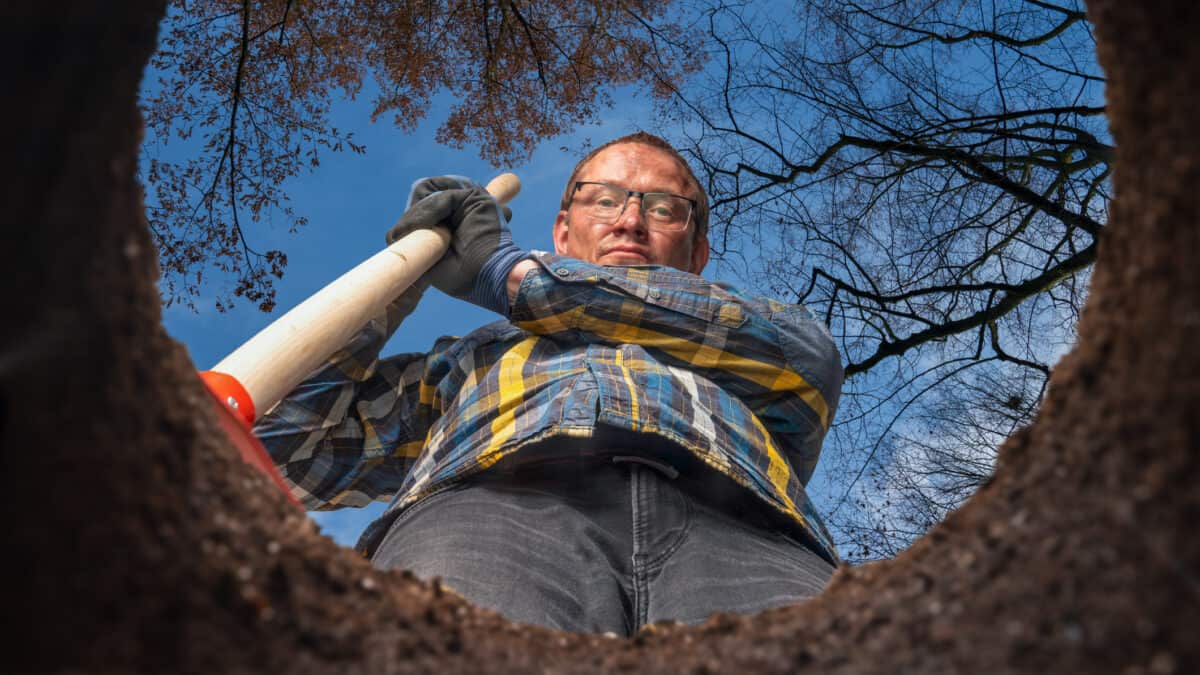
    View from below of a man with a shovel standing by a hole he has dug in the garden, with blue sky in the background.View from below of a man with a shovel standing by a hole he has dug in the garden, with blue sky in the background.

    It’s been well documented that the last 12 months have been no picnic for ASX lithium shares.

    With Western economies deliberately slowed via rising interest rates and Chinese consumers reluctant to shell out for major purchases like electric cars, demand has nosedived.

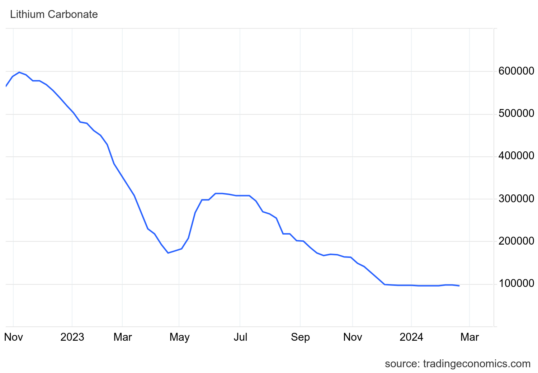
    The brutal fact is that a tonne of lithium carbonate was selling for almost 600,000 CNY in November 2022, and now no one will even buy it for six figures.

    Ouch.

    However, many experts are still expressing long-term bullishness for the commodity.

    Their argument, which I agree with, is that batteries are too important in the global transition to net zero carbon emissions. There are simply too many cars and other machinery that will need to switch from burning fossil fuels to using electricity.

    So that reasoning extended to lithium stocks. Buy now while they’re cheap and watch them rise as demand eventually picks up.

    But is it as simple as that?

    I would say that there are some better purchases among ASX lithium shares right now than others.

    Let’s take a look at Core Lithium Ltd (ASX: CXO), for example.

    When a lithium miner stops mining lithium

    Many of the large mining companies, with economies of scale and even other minerals to depend on, have kept producing lithium despite the current low price.

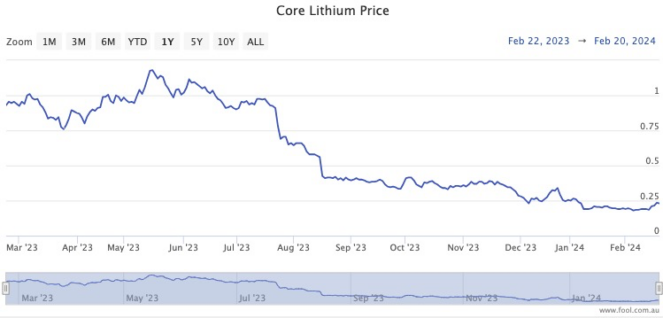
    But with a market cap of just $453 million, Core Lithium is not one of them.

    And the consequence is that last month it was forced to stop mining.

    This is an economically responsible decision, for sure. But it doesn’t leave much hope for investors who own shares at the moment.

    As such, Core Lithium shares remain one of the highest shorted stocks on the ASX. The last report was that a whopping 13% were borrowed for shorting.

    Professional investors’ ratings support this bearishness.

    Broking platform CMC Invest currently shows none of the nine analysts that cover Core Lithium rating it as a buy. In fact, seven of them are urging investors to sell.

    And that’s why I’m crossing the street to avoid Core Lithium shares.

    For now.

    The post Here’s why I’m steering clear of Core Lithium shares appeared first on The Motley Fool Australia.

    Wondering where you should invest $1,000 right now?

    When investing expert Scott Phillips has a stock tip, it can pay to listen. After all, the flagship Motley Fool Share Advisor newsletter he has run for over ten years has provided thousands of paying members with stock picks that have doubled, tripled or even more.*

    Scott just revealed what he believes could be the ‘five best ASX stocks’ for investors to buy right now. These stocks are trading at near dirt-cheap prices and Scott thinks they could be great buys right now…

    See The 5 Stocks
    *Returns as of 10 November 2023

    (function() {
    function setButtonColorDefaults(param, property, defaultValue) {
    if( !param || !param.includes(‘#’)) {
    var button = document.getElementsByClassName(“pitch-snippet”)[0].getElementsByClassName(“pitch-button”)[0];
    button.style[property] = defaultValue;
    }
    }

    setButtonColorDefaults(“#0095C8”, ‘background’, ‘#5FA85D’);
    setButtonColorDefaults(“#0095C8”, ‘border-color’, ‘#43A24A’);
    setButtonColorDefaults(“#fff”, ‘color’, ‘#fff’);
    })()

    More reading

    Motley Fool contributor Tony Yoo has no position in any of the stocks mentioned. The Motley Fool Australia’s parent company Motley Fool Holdings Inc. has no position in any of the stocks mentioned. The Motley Fool Australia has no position in any of the stocks mentioned. The Motley Fool has a disclosure policy. This article contains general investment advice only (under AFSL 400691). Authorised by Scott Phillips.

    from The Motley Fool Australia https://ift.tt/9B7bZdu

  • Why these 4 ASX 200 shares grabbed the Motley Fool’s headlines this week

    A woman sits in a cafe wearing a polka dotted shirt and holding a latte in one hand while reading something on a laptop that is sitting on the table in front of her

    A woman sits in a cafe wearing a polka dotted shirt and holding a latte in one hand while reading something on a laptop that is sitting on the table in front of her

    It’s been another big week for S&P/ASX 200 Index (ASX: XJO) shares amid some stellar reporting season results and a long-awaited acquisition green light from a government regulator.

    Here’s what saw these four blue-chip stocks grab the Motley Fool’s headlines in the trading week just past.

    Four ASX 200 shares grabbing the Motley Fool’s headlines

    First up we have ANZ Group Holdings Ltd (ASX: ANZ) and Suncorp Group Ltd (ASX: SUN).

    Both ASX 200 shares made headline news together on Tuesday. That came after the Australian Competition Tribunal approved ANZ’s $4.9 billion acquisition bid for Suncorp’s banking segment.

    ANZ made its initial bid for Suncorp’s bank way back in July 2022. That bid was eventually blocked by the Australian Competition and Consumer Commission (ACCC) in August 2023 amid fears it would stifle competition among the banks.

    The acquisition now awaits the final tick of approval from Australian Treasurer Jim Chalmers as well as Queensland’s state government.

    Which brings us to the third ASX 200 share leaping into the Motley Fool’s headlines this week, Fortescue Metals Group Ltd (ASX: FMG).

    The mining stock grabbed our attention with some very strong first-half results for the six months ending 31 December.

    Among the highlights, Fortescue’s half-year revenue increased by 21% year on year to US$9.5 billion. And net profit after tax (NPAT) of US$3.3 billion was up 41% year on year.

    This saw Fortescue increase its fully franked interim dividend by 44% to AU$1.08 per share. Fortescue shares now trade at a 7.4% dividend yield.

    Commenting on those results, Fortescue Metals CEO Dino Otranto said:

    Whether it’s through our first green energy projects, our diversification into the high-grade segment of the iron ore market through Iron Bridge, or expansion of our global footprint with the Belinga Iron Ore Project in Gabon, we remain committed to creating value for all our stakeholders.

    Rounding off the list of ASX 200 shares grabbing the Motley Fool’s headlines over the week is Block Inc (ASX: SQ2).

    The ASX 200 BNPL stock reported its fourth quarter 2023 results on Friday. And boy did investors like those numbers, sending the Block share price up 16.8% on the day at one point!

    Among the highlights was a 24% year on year jump in net revenue to US$5.77 billion. And gross profit of $2.03 billion was up 22%.

    The company’s balance sheet also impressed, with $7.7 billion in available liquidity as at 31 December.

    Looking ahead, Block CEO Jack Dorsey said, “We’ve done a lot recently to reduce our costs. Now we’re going to focus on growth.”

    Judging by the ASX 200 share’s outsized share price gains on Friday, investors appeared to believe that growth is on the horizon.

    The post Why these 4 ASX 200 shares grabbed the Motley Fool’s headlines this week appeared first on The Motley Fool Australia.

    Wondering where you should invest $1,000 right now?

    When investing expert Scott Phillips has a stock tip, it can pay to listen. After all, the flagship Motley Fool Share Advisor newsletter he has run for over ten years has provided thousands of paying members with stock picks that have doubled, tripled or even more.*

    Scott just revealed what he believes could be the ‘five best ASX stocks’ for investors to buy right now. These stocks are trading at near dirt-cheap prices and Scott thinks they could be great buys right now…

    See The 5 Stocks
    *Returns as of 10 November 2023

    (function() {
    function setButtonColorDefaults(param, property, defaultValue) {
    if( !param || !param.includes(‘#’)) {
    var button = document.getElementsByClassName(“pitch-snippet”)[0].getElementsByClassName(“pitch-button”)[0];
    button.style[property] = defaultValue;
    }
    }

    setButtonColorDefaults(“#0095C8”, ‘background’, ‘#5FA85D’);
    setButtonColorDefaults(“#0095C8”, ‘border-color’, ‘#43A24A’);
    setButtonColorDefaults(“#fff”, ‘color’, ‘#fff’);
    })()

    More reading

    Motley Fool contributor Bernd Struben has no position in any of the stocks mentioned. The Motley Fool Australia’s parent company Motley Fool Holdings Inc. has positions in and has recommended Block. The Motley Fool Australia has positions in and has recommended Block. The Motley Fool has a disclosure policy. This article contains general investment advice only (under AFSL 400691). Authorised by Scott Phillips.

    from The Motley Fool Australia https://ift.tt/7ZPV4BC

  • Better buy: Fortescue or BHP shares?

    Two miners examine things they have taken out the ground.Two miners examine things they have taken out the ground.

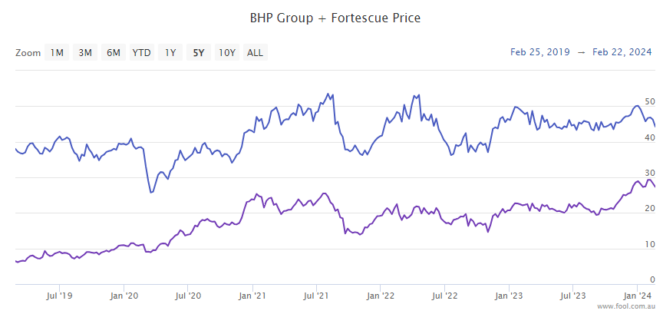
    BHP Group Ltd (ASX: BHP) shares and Fortescue Ltd (ASX: FMG) shares are both known for paying big dividends to shareholders. But which of the ASX mining giants is a better buy?

    Almost all of Fortescue’s revenue comes from iron ore, for now at least. BHP is involved in a number of different commodities, including iron ore, copper, nickel and coal.

    Most of the time, diversification is a good thing. But, BHP’s nickel exposure has caused some pain after the recent multi-billion write-down of the nickel division on its balance sheet.

    They’re both big enough that I don’t think size makes much difference for a choice. They’re both excellent miners, though Fortescue’s iron ore production is generally lower-grade.

    Dividend yield

    Both businesses just reported their FY24 half-year results.

    BHP decided to cut its dividend by 20% to US 72 cents, while Fortescue hiked its dividend by 44% to A$1.08 per share. Despite BHP being significantly larger by market capitalisation than Fortescue, the Fortescue dividend is almost the same size in dollar terms.

    Of course, if the iron ore price were to fall, BHP’s other commodities (such as copper) could help offset that pain.

    According to the estimate on Commsec, for the full 2024 financial year. Fortescue could pay a grossed-up dividend yield of 10.8% and BHP could pay a grossed-up dividend yield of 7.7%.

    For investors purely focused on short-term dividend income, Fortescue seems like the more appealing choice.

    Green efforts

    Both of these mining companies provide commodities that the world needs. Iron ore is an essential element of steel, which is used in construction, car manufacturing, infrastructure and many more uses.

    BHP has expanded in copper, and it’s working on a large potash project in Canada called Jansen. I think both copper and potash have attractive futures – copper is needed for electrification, while potash is a fertiliser that supposedly has less emissions.

    Fortescue is working on a myriad of different green energy initiatives, including the production of green hydrogen and green ammonia. It’s also building a division that works on producing high-performance industrial batteries.

    If the world is to reach net zero, it will need to replace the fuel used by planes, boats and other heavy machinery. Green hydrogen and green ammonia could be the answer if produced in large enough quantities. I like this move by Fortescue because it diversifies which customers it’s selling to and opens it up to another commodity.

    Valuation

    Fortescue isn’t generating any earnings from its green division yet, but the Fortescue share price is only priced at 8.4x FY24’s estimated earnings, according to the projection on Commsec.

    The BHP share price is valued at 10.5x FY24’s estimated earnings, so it’s priced higher than Fortescue.

    Foolish takeaway

    With the iron ore price as high as it is, above US$120 per tonne, I wouldn’t be jumping on either ASX iron ore share. But, on the face of it, Fortescue looks like the better choice, particularly if the green energy initiatives pay off.

    The post Better buy: Fortescue or BHP shares? appeared first on The Motley Fool Australia.

    Wondering where you should invest $1,000 right now?

    When investing expert Scott Phillips has a stock tip, it can pay to listen. After all, the flagship Motley Fool Share Advisor newsletter he has run for over ten years has provided thousands of paying members with stock picks that have doubled, tripled or even more.*

    Scott just revealed what he believes could be the ‘five best ASX stocks’ for investors to buy right now. These stocks are trading at near dirt-cheap prices and Scott thinks they could be great buys right now…

    See The 5 Stocks
    *Returns as of 10 November 2023

    (function() {
    function setButtonColorDefaults(param, property, defaultValue) {
    if( !param || !param.includes(‘#’)) {
    var button = document.getElementsByClassName(“pitch-snippet”)[0].getElementsByClassName(“pitch-button”)[0];
    button.style[property] = defaultValue;
    }
    }

    setButtonColorDefaults(“#0095C8”, ‘background’, ‘#5FA85D’);
    setButtonColorDefaults(“#0095C8”, ‘border-color’, ‘#43A24A’);
    setButtonColorDefaults(“#fff”, ‘color’, ‘#fff’);
    })()

    More reading

    Motley Fool contributor Tristan Harrison has positions in Fortescue. The Motley Fool Australia’s parent company Motley Fool Holdings Inc. has no position in any of the stocks mentioned. The Motley Fool Australia has no position in any of the stocks mentioned. The Motley Fool has a disclosure policy. This article contains general investment advice only (under AFSL 400691). Authorised by Scott Phillips.

    from The Motley Fool Australia https://ift.tt/GgOLPAD