
• Zip share price down 6% to another 52-week low

    share price dropping

    share price droppingshare price dropping

    The Zip Co Ltd (ASX: Z1P) share price is currently down 6% at the time of writing. This means the buy now, pay later (BNPL) player has hit another 52-week low.

    Zip has seen its shares decline by 66% since the start of 2022. It has fallen more than 80% over the past year.

    What’s going on with the Zip share price?

    Zip has suffered a lot in recent months. Plenty of other ASX growth shares are also down heavily, though Zip has been one of the hardest hit.

    For example, since the start of the year the Xero Limited (ASX: XRO) share price has fallen 36%. The Temple & Webster Group Ltd (ASX: TPW) share price has sunk 44% this calendar year. This year alone, the Appen Ltd (ASX: APX) share price has dropped around 40%.

    There is a lot of chatter going on about strong inflation and the steps that central bankers will need to take to bring it into control.

    Investors are also focused on the potential issues arising from the Russian invasion of Ukraine.

    Sezzle Inc (ASX: SZL) takeover

    Zip is also trying to buy the BNPL competitor Sezzle, which has a sizeable presence in the US.

    Sezzle and Zip have entered into a definitive merger agreement, where Zip will buy all the shares of Sezzle. The deal has been unanimously recommended by the boards. Shareholders of Sezzle will be entitled to receive 0.98 Zip shares for every Sezzle share.

    At the time of the offer, the Zip share price offer valued Sezzle at $491 million, or a 22% premium at the prices at the time of the announcement. However, the share prices have fallen since then.

    Zip thinks that the merger will enhance the scale and product offering, with the capability to accelerate in the US.

    Did the HY22 result affect the Zip share price?

    Sometimes a result can impact the valuation as well.

    For the six months to 31 December 2021, Zip said that its revenue was up 89% to $302.2 million whilst the revenue margin was 6.7%.

    Zip said that Australia is generating positive cash flow, whilst the US is on a path to positive cash flow.

    However, the overall company’s cash transaction margin declined to 2.1%, down from 3.7% in HY21, reflecting rising bad debts. The medium-term cash transaction margin is expected to be between 2.5% to 3%.

    The post Zip share price down 6% to another 52-week low appeared first on The Motley Fool Australia.

    Should you invest $1,000 in Zip right now?

    Before you consider Zip, you’ll want to hear this.

    Motley Fool Investing expert Scott Phillips just revealed what he believes are the 5 best stocks for investors to buy right now… and Zip wasn’t one of them.

    The online investing service he’s run for over a decade, Motley Fool Share Advisor, has provided thousands of paying members with stock picks that have doubled, tripled or even more.* And right now, Scott thinks there are 5 stocks that are better buys.

    *Returns as of January 13th 2022

    More reading

    Motley Fool contributor Tristan Harrison has no position in any of the stocks mentioned. The Motley Fool Australia’s parent company Motley Fool Holdings Inc. owns and has recommended ZIPCOLTD FPO. The Motley Fool Australia has no position in any of the stocks mentioned. The Motley Fool has a disclosure policy. This article contains general investment advice only (under AFSL 400691). Authorised by Bruce Jackson.

    from The Motley Fool Australia https://ift.tt/LIeN5kX
  • Why is the Yancoal (ASX:YAL) share price plummeting 17% today?

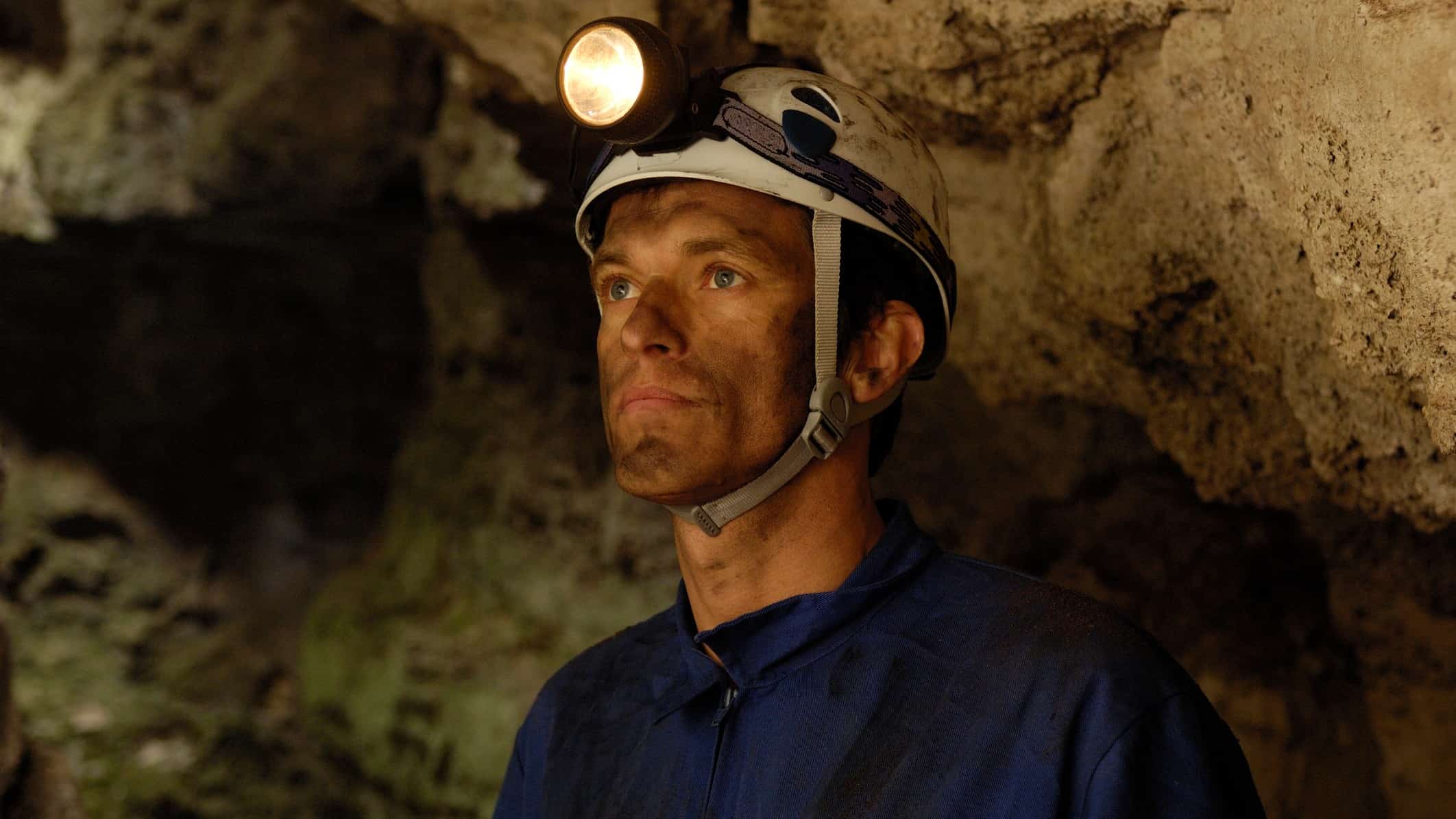
    coal miner in a minecoal miner in a minecoal miner in a mine

    The Yancoal Australia Ltd (ASX: YAL) share price is having a treacherous day, sending investors to flee for the hills.

    Just yesterday, the energy producer’s shares accelerated to a multi-year high of $5.39 on the back of positive investor sentiment.

    However, Yancoal shares have backtracked to $4.32, down 16.92% at the time of writing.

    Let’s take a look at what could be driving the company’s shares south today.

    Why are Yancoal shares falling? 

    Following the company’s full year results release on 28 February, investors are eyeing Yancoal shares as they go ex-dividend today.

    Historically, when a company reaches its ex-dividend day, its shares tend to fall in proportion to the dividend paid out. This is because investors tend to sell off the company’s shares after securing the dividend.

    Furthermore, the sudden price weakness in coal has also attributed to the company’s share price being lower today.

    It appears that even with the war between Russia and Ukraine, commodity prices have recently cooled off.

    The latest price fetching for a tonne of coal is US$361.75, a drop of 1.87% for the day.

    Although when comparing from 7 March record highs of US$435, coal has shed more than 14% in value.

    What does this mean for Yancoal shareholders?

    For those eligible for Yancoal’s final dividend, shareholders will receive a payment of 70.4 cents per share on 29 April. Although, the dividend is unfranked, which means investors won’t receive any tax credits from this.

    Management reinstated the dividend due to the company’s strong cash earnings and lower gearing in FY21. This came on the back of record coal prices realised throughout the financial year.

    The $930 million final dividend represents a payout ratio of 118% of profit after tax.

    Yancoal share price snapshot

    Since the beginning of 2022, the Yancoal share price has shot up by roughly 66%.

    In the last 12 months, its shares have further accelerated, up around 83%.

    Yancoal commands a market capitalisation of roughly $5.7 billion with roughly 1.32 billion shares on its books.

    The post Why is the Yancoal (ASX:YAL) share price plummeting 17% today? appeared first on The Motley Fool Australia.

    Should you invest $1,000 in Yancoal right now?

    Before you consider Yancoal, you’ll want to hear this.

    Motley Fool Investing expert Scott Phillips just revealed what he believes are the 5 best stocks for investors to buy right now… and Yancoal wasn’t one of them.

    The online investing service he’s run for over a decade, Motley Fool Share Advisor, has provided thousands of paying members with stock picks that have doubled, tripled or even more.* And right now, Scott thinks there are 5 stocks that are better buys.

    *Returns as of January 13th 2022

    More reading

    Motley Fool contributor Aaron Teboneras has no position in any of the stocks mentioned. The Motley Fool Australia’s parent company Motley Fool Holdings Inc. has no position in any of the stocks mentioned. The Motley Fool Australia has no position in any of the stocks mentioned. The Motley Fool has a disclosure policy. This article contains general investment advice only (under AFSL 400691). Authorised by Bruce Jackson.

    from The Motley Fool Australia https://ift.tt/2JehAVk

  • ASX 200 (ASX:XJO) midday update: Uniti jumps on takeover speculation, Rio Tinto and Yancoal tumble

    Two male professional analysts discuss share price movements shown on the computer screen in front of them, with one pointing to a screen

    Two male professional analysts discuss share price movements shown on the computer screen in front of them, with one pointing to a screenTwo male professional analysts discuss share price movements shown on the computer screen in front of them, with one pointing to a screen

    At lunch on Tuesday, the S&P/ASX 200 Index (ASX: XJO) is under pressure and trading lower. The benchmark index is currently down 0.6% to 7,107.9 points.

    Here’s what is happening on the ASX 200 today:

    Uniti rockets on takeover speculation

    The Uniti Group Ltd (ASX: UWL) share price was rocketing higher on Tuesday morning before being placed into a trading halt. Investors were buying the telco’s shares amid speculation that it could be in exclusive takeover talks. Uniti has neither confirmed nor denied the speculation but will release an announcement relating to it tomorrow.

    Rio Tinto falls despite acquisition news

    The Rio Tinto Limited (ASX: RIO) share price is falling on Tuesday despite the mining giant announcing a non-binding proposal to acquire the remaining ~49% of the issued and outstanding shares of Turquoise Hill. Rio Tinto has made an all-cash offer of ~US$2.7bn. If the deal completes, Rio Tinto’s share of the Oyu Tolgoi copper operation in Mongolia will increase to 66%. The team at Goldman Sachs believes the miner would be getting a very good deal.

    Healius announces buyback

    The Healius Ltd (ASX: HLS) share price is pushing higher today. Investors have been buying the healthcare company’s shares after it announced a $100 million share buyback. The company notes that the buyback will be managed within the ‘10/12 limit’ permitted by the Corporations Act. As a result, it does not require shareholder approval.

    Best and worst ASX 200 performers

    The best performer on the ASX 200 on Tuesday has been the Uniti share price with a 17% gain prior to its trading halt. This was in response to takeover speculation. The worst performer has been the Yancoal Australia Ltd (ASX: YAL) share price with a 16% decline. This is predominantly due to the coal miner’s shares trading ex-dividend this morning.

    The post ASX 200 (ASX:XJO) midday update: Uniti jumps on takeover speculation, Rio Tinto and Yancoal tumble appeared first on The Motley Fool Australia.

    Wondering where you should invest $1,000 right now?

    When investing expert Scott Phillips has a stock tip, it can pay to listen. After all, the flagship Motley Fool Share Advisor newsletter he has run for over ten years has provided thousands of paying members with stock picks that have doubled, tripled or even more.*

    Scott just revealed what he believes could be the five best ASX stocks for investors to buy right now. These stocks are trading at near dirt-cheap prices and Scott thinks they could be great buys right now.

    *Returns as of January 12th 2022

    More reading

    Motley Fool contributor James Mickleboro has no position in any of the stocks mentioned. The Motley Fool Australia’s parent company Motley Fool Holdings Inc. has no position in any of the stocks mentioned. The Motley Fool Australia has recommended Uniti Group Limited. The Motley Fool has a disclosure policy. This article contains general investment advice only (under AFSL 400691). Authorised by Bruce Jackson.

    from The Motley Fool Australia https://ift.tt/FtYv4TV

  • Why is the BHP (ASX:BHP) share price down 4% today?

    Woman in yellow hard hat and gloves puts both thumbs down

    Woman in yellow hard hat and gloves puts both thumbs downWoman in yellow hard hat and gloves puts both thumbs down

    The BHP Group Ltd (ASX: BHP) share price is sliding today, down 3.8%.

    BHP shares closed yesterday trading for $47.36 and are currently at $45.59.

    The S&P/ASX 200 Index (ASX: XJO) listed iron ore giant is trailing the benchmark today, with the ASX 200 down 0.7% at time of writing.

    It’s right about in line with the performance of the S&P/ASX 200 Materials Index (ASX: XMJ), which has dropped 3.7% since the opening bell.

    Why is the materials sector under pressure?

    The BHP share price is far from alone in today’s selloff.

    Fellow ASX 200 mining behemoths Fortescue Metals Group Limited (ASX: FMG) shares are down 5.6% and Rio Tinto Limited (ASX: RIO) shares are down 4.4% at this same time.

    With no price-sensitive news out from BHP, today’s decline looks to be mostly due to the overnight drop in iron ore prices. Iron ore is currently trading for US$145 per tonne, down 6.2% over the past 24 hours.

    With most other industrial and precious metals prices falling over the last day as well, materials are currently the worst performing sector on the ASX.

    BHP share price snapshot

    Despite today’s retrace, the BHP share price remains up 7.5% in 2022, handily outpacing the 6.4% year-to-date loss posted by the ASX 200.

    The post Why is the BHP (ASX:BHP) share price down 4% today? appeared first on The Motley Fool Australia.

    Should you invest $1,000 in BHP right now?

    Before you consider BHP, you’ll want to hear this.

    Motley Fool Investing expert Scott Phillips just revealed what he believes are the 5 best stocks for investors to buy right now… and BHP wasn’t one of them.

    The online investing service he’s run for over a decade, Motley Fool Share Advisor, has provided thousands of paying members with stock picks that have doubled, tripled or even more.* And right now, Scott thinks there are 5 stocks that are better buys.

    *Returns as of January 13th 2022

    More reading

    The Motley Fool Australia’s parent company Motley Fool Holdings Inc. has no position in any of the stocks mentioned. The Motley Fool Australia has no position in any of the stocks mentioned. The Motley Fool has a disclosure policy. This article contains general investment advice only (under AFSL 400691). Authorised by Bruce Jackson.

    from The Motley Fool Australia https://ift.tt/lSo6yFf

  • Why is the Pushpay (ASX:PPH) share price charging 6% higher?

    Happy woman and man looking at an iPad.

    Happy woman and man looking at an iPad.Happy woman and man looking at an iPad.

    The Pushpay Holdings Ltd (ASX: PPH) share price is on form on Tuesday.

    In morning trade, the donor management technology company’s shares are up 6% to $1.03.

    Why is the Pushpay share price charging higher?

    Investors have been bidding the Pushpay share price higher today in response to the release of an update on the company’s FY 2022 guidance.

    According to the release, with just over two weeks left in its financial year, Pushpay has reconfirmed and narrowed its guidance for the 12 months ended 31 March.

    The company now expects underlying operating earnings (EBITDAFI) to be between US$61.5 million and US$63.5 million in FY 2022. This compares to its downgraded guidance range of US$60 million to US$65 million and its initial guidance of US$64 million and US$69 million.

    The above guidance includes costs associated with the investment into the Catholic initiative. Excluding this investment, management notes that its operating earnings would be between US$63.5 million and US$65.5 million.

    This represents modest year on year growth of 6% to 10%.

    Anything else?

    Management also revealed that Pushpay saw positive year-on-year increases in its processing volume performance in each trading month of the 2022 financial year, with the total processing volume for the eleven months ended 28 February 2022 being up 10% compared to the same period last year.

    In addition, it notes that Pushpay’s strong operating cash flow continues to allow it to pay down its debt facility, which was obtained to partially fund the Resi Media acquisition in August 2021. Pushpay’s net debt balance has reduced from US$90 million as at August 2021 to US$54 million as at 28 February 2022.

    The company intends to release its full year results to the market in May.

    The post Why is the Pushpay (ASX:PPH) share price charging 6% higher? appeared first on The Motley Fool Australia.

    Should you invest $1,000 in Pushpay right now?

    Before you consider Pushpay, you’ll want to hear this.

    Motley Fool Investing expert Scott Phillips just revealed what he believes are the 5 best stocks for investors to buy right now… and Pushpay wasn’t one of them.

    The online investing service he’s run for over a decade, Motley Fool Share Advisor, has provided thousands of paying members with stock picks that have doubled, tripled or even more.* And right now, Scott thinks there are 5 stocks that are better buys.

    *Returns as of January 13th 2022

    More reading

    Motley Fool contributor James Mickleboro has no position in any of the stocks mentioned. The Motley Fool Australia’s parent company Motley Fool Holdings Inc. owns and has recommended PUSHPAY FPO NZX. The Motley Fool Australia owns and has recommended PUSHPAY FPO NZX. The Motley Fool has a disclosure policy. This article contains general investment advice only (under AFSL 400691). Authorised by Bruce Jackson.

    from The Motley Fool Australia https://ift.tt/qiKjgc4

  • Qantas (ASX:QAN) share price lifting amid sustainable fuel deal

    Kid with arm spread out on a luggage bag, riding a skateboard.Kid with arm spread out on a luggage bag, riding a skateboard.Kid with arm spread out on a luggage bag, riding a skateboard.

    The Qantas Airways Ltd (ASX: QAN) share price is lifting today even as the S&P/ASX 200 Index (ASX: XJO) is down 0.66%.

    Qantas shares closed yesterday at $4.91 and are currently trading for $4.95 apiece. That puts the Qantas share price up 0.82% at the time of writing.

    The airline could be getting a boost today from the overnight drop in crude oil prices. Brent crude is down 5.1% since this time yesterday, currently trading for US$106.90 per barrel.

    Jet fuel costs count among airlines’ biggest single expenditures.

    That’s today’s early price action.

    Below we look at Qantas’ latest deal to reduce its carbon footprint by increasing the amount of sustainable aviation fuel (SAF) used in its aircraft.

    How is Qantas reducing its emissions?

    In a move unlikely to be impacting the Qantas share price directly today, the airline reported it is increasing its use of SAF on its Los Angeles and San Francisco to Australia routes.

    According to the release, aircraft fuelled with SAF produce 80% less carbon emissions than those using standard jet fuel. SAF can be used in existing aircraft without modifications.

    The SAF will be supplied by United States biofuels company Aemetis. Aemetis will supply some 20 million litres of blended SAF to Qantas per year, commencing in 2025.

    Alan Joyce, Qantas CEO, met with Aemetis top brass in LA.

    According to Joyce:

    Climate change is front of mind for Qantas, our customers, employees and investors, and it is a key focus for us as we move through our recovery from the pandemic. Operating our aircraft with sustainable aviation fuel is the single biggest thing we can do to directly reduce our emissions.

    We’re actively looking to source sustainable aviation fuel for our operations, and the deal we’re announcing today is hopefully one of many we’ll make as the market catches up to demand globally.

    As for costs, Joyce said SAF remains more expensive than standard jet fuel. “But with the right investment it could grow to a scale where the cost is on par,” he added.

    The deal with Aemetis represents Qantas’ second major offshore purchase of SAF.  The airline’s flights from London began using the more sustainable fuel early in 2022.

    Qantas share price snapshot

    With today’s move higher, the Qantas share price is down 3.8% in 2022. That’s a fair bit better than the 6.5% year-to-date loss posted by the ASX 200.

    Qantas shares are also down around 10% over the past 12 months and 5% over the past month.

    The post Qantas (ASX:QAN) share price lifting amid sustainable fuel deal appeared first on The Motley Fool Australia.

    Should you invest $1,000 in Qantas right now?

    Before you consider Qantas, you’ll want to hear this.

    Motley Fool Investing expert Scott Phillips just revealed what he believes are the 5 best stocks for investors to buy right now… and Qantas wasn’t one of them.

    The online investing service he’s run for over a decade, Motley Fool Share Advisor, has provided thousands of paying members with stock picks that have doubled, tripled or even more.* And right now, Scott thinks there are 5 stocks that are better buys.

    *Returns as of January 13th 2022

    More reading

    The Motley Fool Australia’s parent company Motley Fool Holdings Inc. has no position in any of the stocks mentioned. The Motley Fool Australia has no position in any of the stocks mentioned. The Motley Fool has a disclosure policy. This article contains general investment advice only (under AFSL 400691). Authorised by Bruce Jackson.

    from The Motley Fool Australia https://ift.tt/vxqEIFo

  • Cash machines: 6 ASX 200 shares with the highest dividend yields right now

    a man throws his arms up in happy celebration as a shower of money rains down on him.

    a man throws his arms up in happy celebration as a shower of money rains down on him.a man throws his arms up in happy celebration as a shower of money rains down on him.

    There are many investors out there who buy ASX 200 shares just for the dividends. And fair enough too. Receiving passive income from shares can help fund a retirement, boost a portfolio’s returns in times of market turmoil and give an investor cash in the bank to buy even more shares.

    But investing for dividends is not without risk. Just because a company pays out a healthy dividend one year does not mean it will continue to do so in the next.

    So let’s take a look at some of the highest yielding ASX dividend shares on the S&P/ASX 200 Index (ASX: XJO) as it currently stands. You may notice that all 6 of these ASX 200 shares come from one of two industries…

    6 ASX 200 dividend shares offering top yields today

    Pendal Group Ltd (ASX: PDL)

    Fund manager Pendal is first up today. This company has had a rough few months, falling by almost half since September last year. The silver lining though is that Pendal’s dividend yield now tops 9% on current pricing, 9.03% to be exact. That comes from this ASX 200 company’s last two dividends, totalling 42 cents per share, which was an increase on the 37 cents per share Pendal forked out in 2020.

    Platinum Asset Management Ltd (ASX: PTM)

    Another fund manager Platinum is next up. Platinum is one of the ASX’s old souls in funds management, having started its operations back in the 1990s. Like Pendal, it has been suffering recently, falling more than 55% over the past 12 months.

    But given Platinum (as of this Friday) will have forked out 22 cents per share in fully franked dividends over the past year, its dividend yield now sits at 10.19%.

    Rio Tinto Limited (ASX: RIO)

    ASX 200 mining giant Rio has always been well-known for its dividends. But especially so in recent years as record commodity prices, particularly in iron ore, have fuelled record dividends. Even after Rio’s near-7% rise in 2022 so far, the mining giant still has a dividend yield of 10.22% on current pricing, replete with full franking.

    BHP Group Ltd (ASX: BHP)

    The same high commodity prices that have fuelled Rio’s recent share price gains have also lifted BHP. BHP shares have risen more than 7.6% so far this year. But that hasn’t brought the Big Australian’s dividend yield down to earth by any means. BHP still has a 10.51% yield on the table as it currently stands.

    Magellan Financial Group Limited (ASX: MFG)

    Magellan has been one of the worst-performing ASX 200 shares of the past year. This once-venerated fund manager has struggled with the temporary departure of its star stock picker Hamish Douglass, as well as chronic fund underperformance and an exodus of funds under management.

    However, Magellan’s near-70% drop over the past 12 months has pushed its dividend yield up to a staggering 16.42% on current pricing. That’s franked at 75% as well. Interestingly, Magellan paid out its highest-ever interim dividend earlier this month.

    Fortescue Metals Group Limited (ASX: FMG)

    Another ASX 200 iron ore giant rounds out our list today. Fortescue shares have benefitted from the same tailwinds as BHP and Rio recently, although the company’s share price performance hasn’t been as impressive. Fortescue has dropped more than 16% over the past year, which includes a 13.8% drop in 2022 thus far. Saying that, this has also ratcheted up the dividend yield currently attached to Fortescue shares. Get ready for this one, Fortescue now has a yield of 17.36% on the table today, which also comes fully franked.

    However, it is worth noting that the interim dividend of 86 cents per share that the miner will pay out at the end of this month is a big drop from last year’s interim dividend of $1.47. If Fortescue’s final dividend later this year doesn’t match 2021’s whopping final payment of $2.11, we can expect a drop in this yield.

    The post Cash machines: 6 ASX 200 shares with the highest dividend yields right now appeared first on The Motley Fool Australia.

    Wondering where you should invest $1,000 right now?

    When investing expert Scott Phillips has a stock tip, it can pay to listen. After all, the flagship Motley Fool Share Advisor newsletter he has run for over ten years has provided thousands of paying members with stock picks that have doubled, tripled or even more.*

    Scott just revealed what he believes could be the five best ASX stocks for investors to buy right now. These stocks are trading at near dirt-cheap prices and Scott thinks they could be great buys right now.

    *Returns as of January 12th 2022

    More reading

    Motley Fool contributor Sebastian Bowen has no position in any of the stocks mentioned. The Motley Fool Australia’s parent company Motley Fool Holdings Inc. has no position in any of the stocks mentioned. The Motley Fool Australia has no position in any of the stocks mentioned. The Motley Fool has a disclosure policy. This article contains general investment advice only (under AFSL 400691). Authorised by Bruce Jackson.

    from The Motley Fool Australia https://ift.tt/pzf3taL

  • Why my 2 biggest ASX shares are about to disappear: fund manager

    Investors Mutual Limited fund manager Simon ConnInvestors Mutual Limited fund manager Simon ConnInvestors Mutual Limited fund manager Simon Conn

    Ask A Fund Manager

    The Motley Fool chats with fund managers so that you can get an insight into how the professionals think. In this edition, Investors Mutual Limited senior portfolio manager Simon Conn tells how his fund seeks both dividends and long-term capital growth.

    Investment style

    The Motley Fool: How would you describe your fund to a potential client?

    Simon Conn: It’s our mid and small cap fund — so we invest in stocks outside the top 50, and the investment approach has been consistent for over 20 years with Investors Mutual. We look for companies that have got a good competitive advantage, recurring income streams, are well-managed, and we spend a lot of time talking to management of the companies we own and then looking for new opportunities, and importantly, trading at a reasonable price. 

    We’re disciplined around the valuations and look to buy stocks when they’re cheap and out of favour, and then, obviously, if stock prices rally and exceed their valuation targets for us, we’ll exit that position. 

    We’re sort of a quality but value manager.

    Our big aim is to try and deliver some reasonable capital growth through time. We do take a long-term approach to investing, as you need to in this sector of the market, and try to generate income, as well. We’ve got to focus on generating income from the portfolio, as well as capital gain.

    MF: Despite all the chaos going on in the world currently, it’s a pretty good time for dividend-paying stocks, isn’t it?

    SC: Yeah, I think so. 

    The last few years, with interest rates being so low, people and the market have obviously been focused purely on capital growth, and yeah, we’ve had a bit of a reality check in the last 4 or 5 months with interest rates going up and more concerns about potential capital growth going forward. 

    Look, income is one of those, the part of the market, part of your return that you should always be able to bank. It should be a consistent part of the return, whereas share prices can move up and down — in recent times, quite a bit over the short term. 

    I think if you hold good-quality companies through the long term, you’ll generate some income through a dividend, and then hopefully if you buy at the right price, you can generate some good capital growth over time.

    Biggest convictions

    MF: What are your two biggest holdings?

    SC: Well, actually, two of the biggest holdings in the fund are Crown Resorts Ltd (ASX: CWN) and Australian Pharmaceutical Industries Ltd (ASX: API), which are both under takeover.

    We’ve had quite a few takeovers in the last 12 months. That’s a feature we’ve found over the years. When good-quality companies are out of favour, you do find M&A becomes a feature, because the stock market’s not treating these companies or rating them appropriately, so you see corporates or other parties bidding for them because they think they’re worth more. And that’s been a feature the last 12 months. 

    We’ve had API be bought by Wesfarmers Ltd (ASX: WES), which the transaction’s coming to an end, and then obviously, Crown is one we’ve known for some time. We bought more when it was out of favour. Pretty strong asset backing, and we’ve got the bid now from Blackstone, so I would imagine that will go through in time. 

    They’re the two biggest holdings at the moment.

    The post Why my 2 biggest ASX shares are about to disappear: fund manager appeared first on The Motley Fool Australia.

    Wondering where you should invest $1,000 right now?

    When investing expert Scott Phillips has a stock tip, it can pay to listen. After all, the flagship Motley Fool Share Advisor newsletter he has run for over ten years has provided thousands of paying members with stock picks that have doubled, tripled or even more.*

    Scott just revealed what he believes could be the five best ASX stocks for investors to buy right now. These stocks are trading at near dirt-cheap prices and Scott thinks they could be great buys right now.

    *Returns as of January 12th 2022

    More reading

    Motley Fool contributor Tony Yoo has no position in any of the stocks mentioned. The Motley Fool Australia’s parent company Motley Fool Holdings Inc. has no position in any of the stocks mentioned. The Motley Fool Australia owns and has recommended Wesfarmers Limited. The Motley Fool has a disclosure policy. This article contains general investment advice only (under AFSL 400691). Authorised by Bruce Jackson.

    from The Motley Fool Australia https://ift.tt/jtEzmpH

  • Why Chinese tech stocks were tumbling again today

    This article was originally published on Fool.com. All figures quoted in US dollars unless otherwise stated.

    a woman wearing a close-sitting hat featuring wires and thick computer screen glasses clutches her computer monitor and looks shocked and disturbed as she reads old-fashioned computer text from the screen.

    This article was originally published on Fool.com. All figures quoted in US dollars unless otherwise stated.

    What happened

    After Chinese tech stocks plunged sharply last week, the rout continued on Monday with several notable names falling by double-digit percentages — among them, JD.com (NASDAQ: JD), Hello Group (NASDAQ: MOMO), Baozun (NASDAQ: BZUN), iQIYI (NASDAQ: IQ), and Zhihu (NYSE: ZH).

    Once again, several different news items contributed to the negativity powering the sell-off.

    First, news outlets reported over the weekend that Russia had asked China for military assistance in its invasion of Ukraine, and economic aid to combat the harsh sanctions Western countries have imposed in response to it. It’s unclear what China will do, but if that nation provides material aid to Russia, it could lead the U.S., European nations, and other countries to impose sanctions on China, which would further squeeze its economy at a vulnerable time.

    Additionally, China is shutting down the tech manufacturing hub of Shenzhen for at least a week to combat a COVID-19 outbreak. That may not hurt the stocks above directly, but it adds to the supply chain and geopolitical concerns that may drive some manufacturing away from China. If that becomes a trend, it would weigh on the Chinese economy.

    Finally, Tencent, owner of the super app WeChat and one of China’s biggest tech companies, looks to be facing a large fine for violations of China’s anti-money-laundering rules, showing Beijing’s regulatory crackdown isn’t over. Last week, Chinese tech stocks as a group also fell after the Securities and Exchange Commission said it would delist five Chinese companies from U.S. stock markets by the end of the month if they didn’t cooperate with U.S. auditing disclosure rules.

    On Monday, as of 11:50 a.m. ET, JD.com was down by 8.2%; Hello Group was off 17.7%; Baozun had fallen 12.5%; iQIYI had lost 20.5%, Zhihu was down 28.6%, and the KraneShares CSI China Internet ETF (NYSEMKT: KWEB), which holds a basket of Chinese tech stocks, was down by 8.6%.

    So what

    In addition to the macro news, JPMorgan Chase downgraded several Chinese tech stocks Monday morning. Analyst Andre Chang double-downgraded JD.com, China’s largest direct retailer, from overweight to underweight, and slashed his price target from $100 to $35. The move was largely in response to valuations falling in the sector, but he pointed to possible headwinds from a tougher macroeconomic environment. JD.com reported solid fourth-quarter numbers last week, but the stock still fell as its revenue growth was the slowest it had been in six quarters, and as investors reacted to the news about the delisting threat to Chinese companies. 

    Zhihu, which operates an online question-and-answer platform similar to Quora, reported Q4 earnings Monday morning. It was another quarter of strong growth, with revenue jumping 96% to $160 million.  On the bottom line, the company narrowed its adjusted loss from $0.30 per share to $0.10 per share. However, that came up short of estimates — analysts had been expecting a loss of $0.08 per share. Despite the strong growth, JPMorgan double-downgraded Zhihu in the same way it did JD.com, and gave it a price target of $1.80.

    JPMorgan also hit Baozun with a double-downgrade and cut its price target to $5. Those moves came after the e-commerce services provider reported declining revenue and a smaller profit in its fourth-quarter report last week. 

    Finally, iQIYI, the Chinese video streaming company sometimes compared to Netflix, was double-downgraded by JPMorgan, which lowered its price target from $8 to $2 based on market sentiment reasons.

    Hello Group, which owns the online dating sites Momo and Tantan, only got a one-level chop from JPMorgan. The investment bank lowered its rating on Hello from overweight to neutral with a price target of $7, citing low business visibility for its leading brands.

    Now what

    There’s no telling if or when the bloodbath in Chinese tech stocks will end; there are several reasons why investors are fleeing the sector, and any of them could persist. If there is a comeback, I’d expect it to be led by stocks like JD.com, a large, established growth company that has thus far avoided drawing the ire of the Chinese government.

    But with even stocks like JD.com getting hammered over the last few days, investors are probably best off waiting for things to settle down in China’s tech sector before putting money into it. There’s a good chance things will get worse before they get better. 

    This article was originally published on Fool.com. All figures quoted in US dollars unless otherwise stated.

    The post Why Chinese tech stocks were tumbling again today appeared first on The Motley Fool Australia.

    Wondering where you should invest $1,000 right now?

    When investing expert Scott Phillips has a stock tip, it can pay to listen. After all, the flagship Motley Fool Share Advisor newsletter he has run for over ten years has provided thousands of paying members with stock picks that have doubled, tripled or even more.*

    Scott just revealed what he believes could be the five best ASX stocks for investors to buy right now. These stocks are trading at near dirt-cheap prices and Scott thinks they could be great buys right now.

    *Returns as of January 12th 2022

    More reading

    Jeremy Bowman owns JD.com and Netflix. JPMorgan Chase is an advertising partner of The Ascent, a Motley Fool company. The Motley Fool Australia’s parent company Motley Fool Holdings Inc. owns and recommends Baozun, JD.com, Netflix, and Tencent Holdings. The Motley Fool Australia’s parent company Motley Fool Holdings Inc. recommends Hello Group and iQiyi. The Motley Fool Australia has recommended JD.com and Netflix. The Motley Fool has a disclosure policy. This article contains general investment advice only (under AFSL 400691). Authorised by Bruce Jackson.

    This article was originally published on Fool.com. All figures quoted in US dollars unless otherwise stated.

    from The Motley Fool Australia https://ift.tt/bRjxcpL

  • AMP (ASX:AMP) share price falters amid ‘important step forward’

    A businessman slips and spills his coffee.A businessman slips and spills his coffee.A businessman slips and spills his coffee.

    The AMP Ltd (ASX: AMP) share price is heading south during trade on late Tuesday morning.

    This comes despite the financial services company releasing a positive media statement on its website.

    At the time of writing, AMP shares are fetching 92 cents apiece, down 1.08%.

    AMP speeds up loan approvals for customers

    Investors appear unfazed by the company’s latest announcement, sending the AMP share price lower.

    In its statement, AMP advised it has launched digital signatures (eSign) for loan applications going forward.

    The eSign functionality allows customers to sign their forms online, eliminating the need to print and physically sign documents.

    It also removes the manual verification process by AMP Bank.

    Furthermore, a comprehensive credit report functionality will be introduced from 21 March.

    The ‘Access Seeker’ service gives upfront visibility of customer liabilities without impacting the customer’s credit file.

    The Bank’s application portal, ApplyOnline flags information missing from an application, assisting clients to submit more accurate and complete applications.

    This new capability follows enhancements to AMP’s auto credit decisioning engine, which recorded a 75% improvement in automated decisioning rates. In turn, this has resulted in faster and more consistent approvals.

    The company stated that it’s continuing to invest in technology that simplifies and speeds up the home loan approval process.

    AMP group executive, Sean O’Malley commented:

    The new functionality is another important step forward for AMP Bank to simplify and improve the lending experience for brokers and advisers. Both eSign and the new Comprehensive Credit Reports will make it easier and quicker to originate and approve loans with AMP Bank.

    The technology reflects AMP’s ongoing strategic investments to enhance AMP Bank’s systems, and commitment to further reduce loan approval times and increase home loan origination capacity, which increased by 70 per cent last year.

    Our focus this year is to further digitise and automate lending processes, which will continue to make it easier for brokers, advisers and customers to do business with us.

    About the AMP share price

    Founded in 1849, AMP provides superannuation and investment products, financial advice and banking products including home loans and savings accounts.

    Headquartered in Sydney, the company operates in both Australia and New Zealand.

    Over the last 12 months, AMP shares have fallen almost 37%, and are down 9% when looking at year-to-date. The company’s share price has lost about 83% of its wealth from early 2018, reflecting negative investor sentiment.

    Based on today’s price, AMP presides a market capitalisation of roughly $3 billion, with approximately 3.27 billion shares on issue.

    The post AMP (ASX:AMP) share price falters amid ‘important step forward’ appeared first on The Motley Fool Australia.

    Should you invest $1,000 in AMP right now?

    Before you consider AMP, you’ll want to hear this.

    Motley Fool Investing expert Scott Phillips just revealed what he believes are the 5 best stocks for investors to buy right now… and AMP wasn’t one of them.

    The online investing service he’s run for over a decade, Motley Fool Share Advisor, has provided thousands of paying members with stock picks that have doubled, tripled or even more.* And right now, Scott thinks there are 5 stocks that are better buys.

    *Returns as of January 13th 2022

    More reading

    Motley Fool contributor Aaron Teboneras has no position in any of the stocks mentioned. The Motley Fool Australia’s parent company Motley Fool Holdings Inc. has no position in any of the stocks mentioned. The Motley Fool Australia has no position in any of the stocks mentioned. The Motley Fool has a disclosure policy. This article contains general investment advice only (under AFSL 400691). Authorised by Bruce Jackson.

    from The Motley Fool Australia https://ift.tt/kYO1lz9